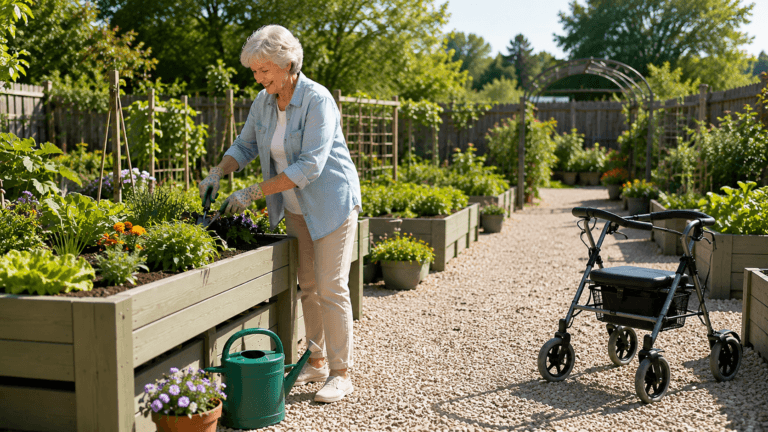

Gardening Doesn’t Have to End Because You Have Arthritis
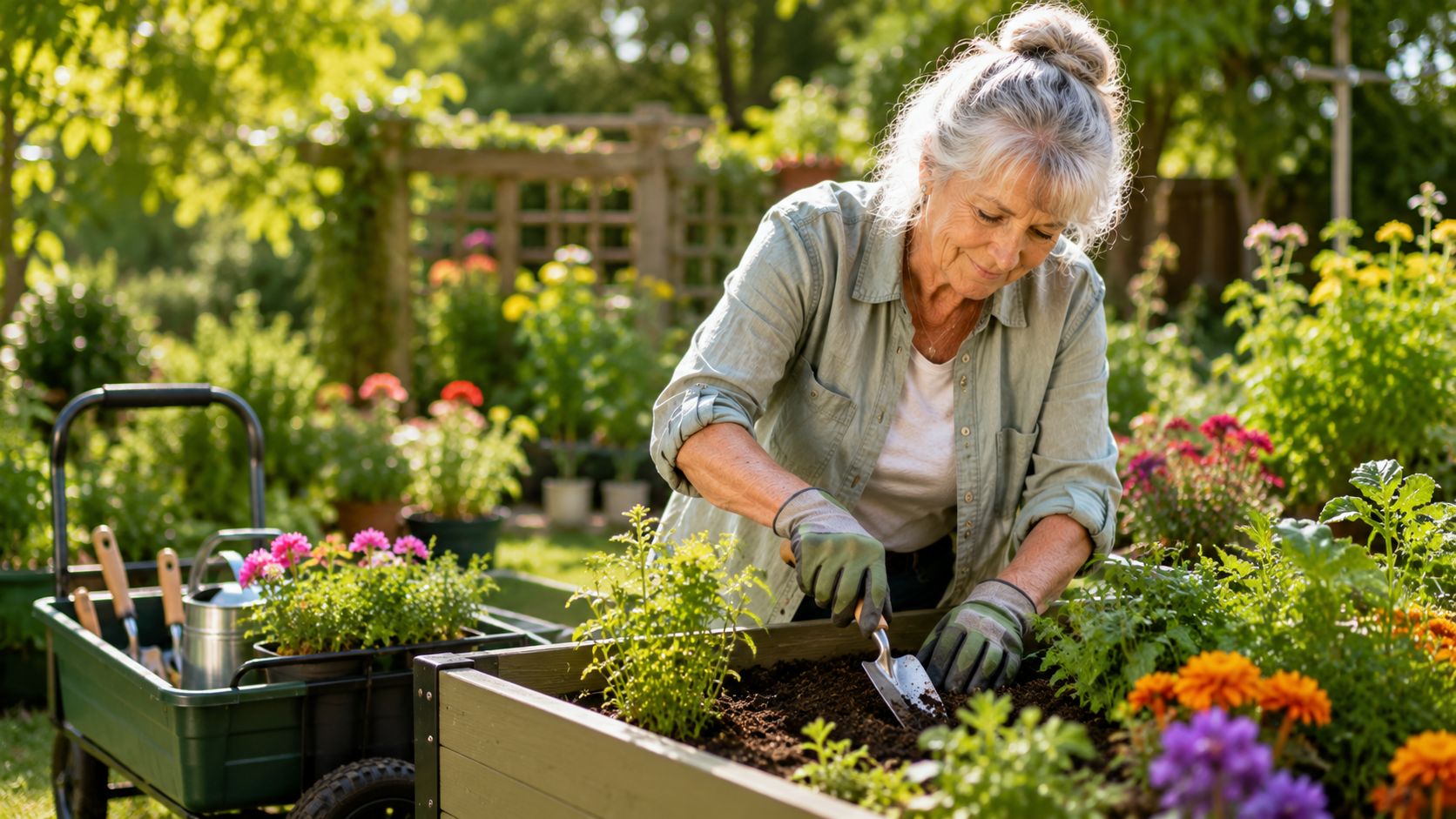
This post may contain affiliate links. If you buy through them, I may earn a small commission at no extra cost to you.

🌱 From My Garden
I know how frustrating it is when gardening leaves you sore for days.
I don’t write these articles because I read about them. I write them because I’ve lived them. Between shoulder surgery for torn rotator cuff in both shoulders, two left shoulder replacements, chronic back pain, knee surgery, and surgeries on my right hand for carpal tunnel syndrome and Dupuytren’s contracture, I’ve had to learn how to keep gardening without making my pain worse.
The tips I share come from real experience, along with research and current gardening best practices. My goal is simple: help you keep gardening safely, comfortably, and for many years to come.
Many gardeners think arthritis means it’s time to give up the hobby they love.
It doesn’t.
Arthritis may change how you garden, but it doesn’t have to take gardening away. With a few smart changes, you can reduce strain on your joints, work more comfortably, and continue enjoying your garden for years.
Whether arthritis affects your hands, shoulders, knees, hips, or back, the goal is simple.
Garden smarter, not harder.
Living with arthritis can make everyday gardening tasks more difficult, but it doesn’t mean your gardening days are over. Learn how the right tools, raised beds, better techniques, and a little planning can help you keep growing flowers, herbs, and vegetables while protecting your joints.
TL;DR: Gardening With Arthritis
Arthritis may slow you down, but it doesn’t have to end your gardening days. By using ergonomic tools, raised beds, lighter equipment, and smarter gardening techniques, you can reduce stress on your joints and continue enjoying your garden for years to come.
🌿 Key Points:
✅ Choose ergonomic tools with padded handles to reduce joint strain.
✅ Use spring-loaded or ratcheting pruners that require less hand strength.
✅ Garden in raised beds or elevated containers to reduce bending and kneeling.
✅ Let a rolling garden cart carry heavy soil, plants, and supplies.
✅ Break large gardening jobs into shorter sessions with regular breaks.
✅ Wear supportive gardening gloves for added comfort and grip.
✅ Water with lightweight hoses, soaker hoses, or drip irrigation systems.
✅ Listen to your body and stop before discomfort becomes significant pain.
🌻 Takeaway: Arthritis changes how you garden, not whether you can garden. A few thoughtful adaptations can help protect your joints, reduce pain, and keep you growing the flowers and vegetables you love.
Continue reading for detailed tips, helpful tools, and practical techniques that can help you garden more comfortably and confidently.
Gardening with Arthritis
For many seniors, arthritis is one of the biggest challenges to enjoying the garden.
Opening bags of potting soil.
Holding pruning shears.
Pulling weeds.
Twisting a hose nozzle.
These simple tasks can become painful when your joints are stiff or swollen.
The good news is that gardening itself can actually be good for many people with arthritis. Gentle movement helps keep joints flexible, strengthens muscles, improves balance, and encourages you to stay active.
The secret is learning to work with your body instead of against it.
Know Your Limits
Arthritis is different for everyone.
Some people wake up stiff and loosen up as the day goes on. Others feel fine until they’ve worked outside for an hour.
Pay attention to what your body is telling you.
Pain is a warning, not a challenge.
If something hurts, stop and find another way to do it.
Working through pain often creates tomorrow’s problems.
Choose Ergonomic Garden Tools
The right tools can make one of the biggest differences.
Traditional garden tools often have narrow handles that force your hands to grip tightly.
Ergonomic tools reduce that strain.
Look for:
- Thick padded handles
- Lightweight aluminum tools
- Spring-loaded pruners
- Ratcheting pruners
- Long-handled weeders
- Long-handled cultivators
These require less effort and reduce stress on painful joints.
Wear Comfortable Gloves
Good gardening gloves protect more than your skin.
Many arthritis-friendly gloves provide light compression while improving your grip.
Choose gloves that fit well without being bulky.
A secure grip reduces hand fatigue throughout the day.
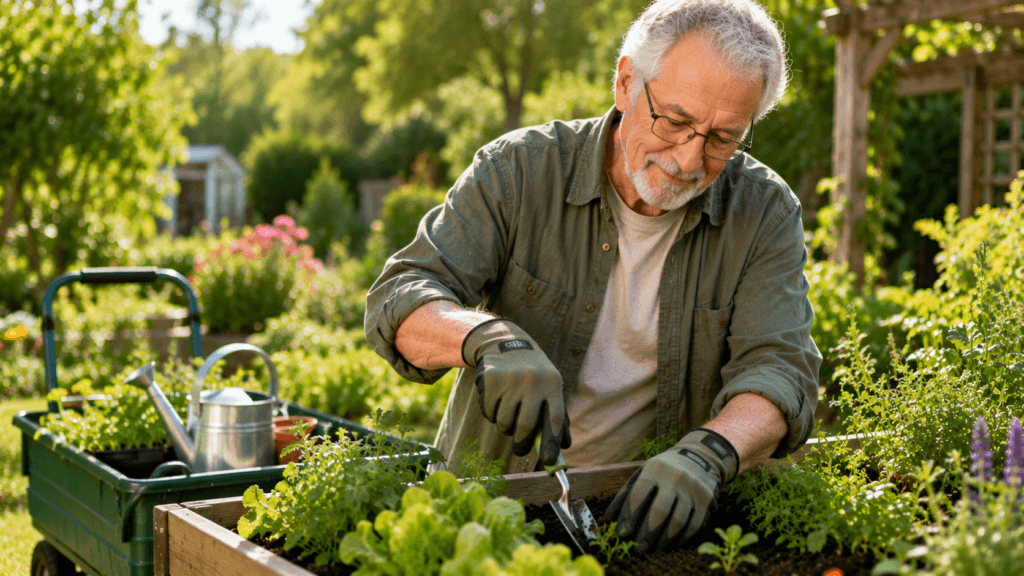
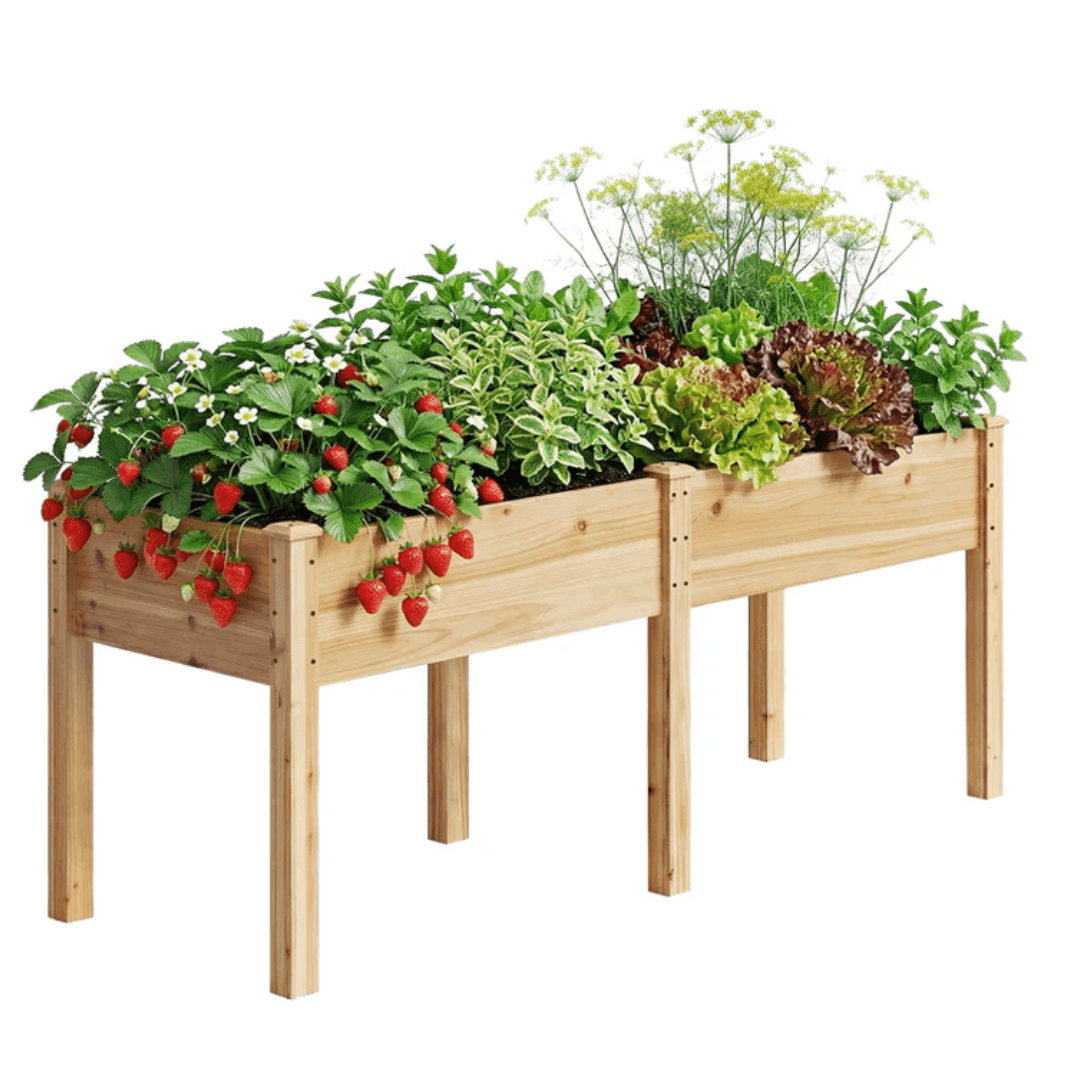
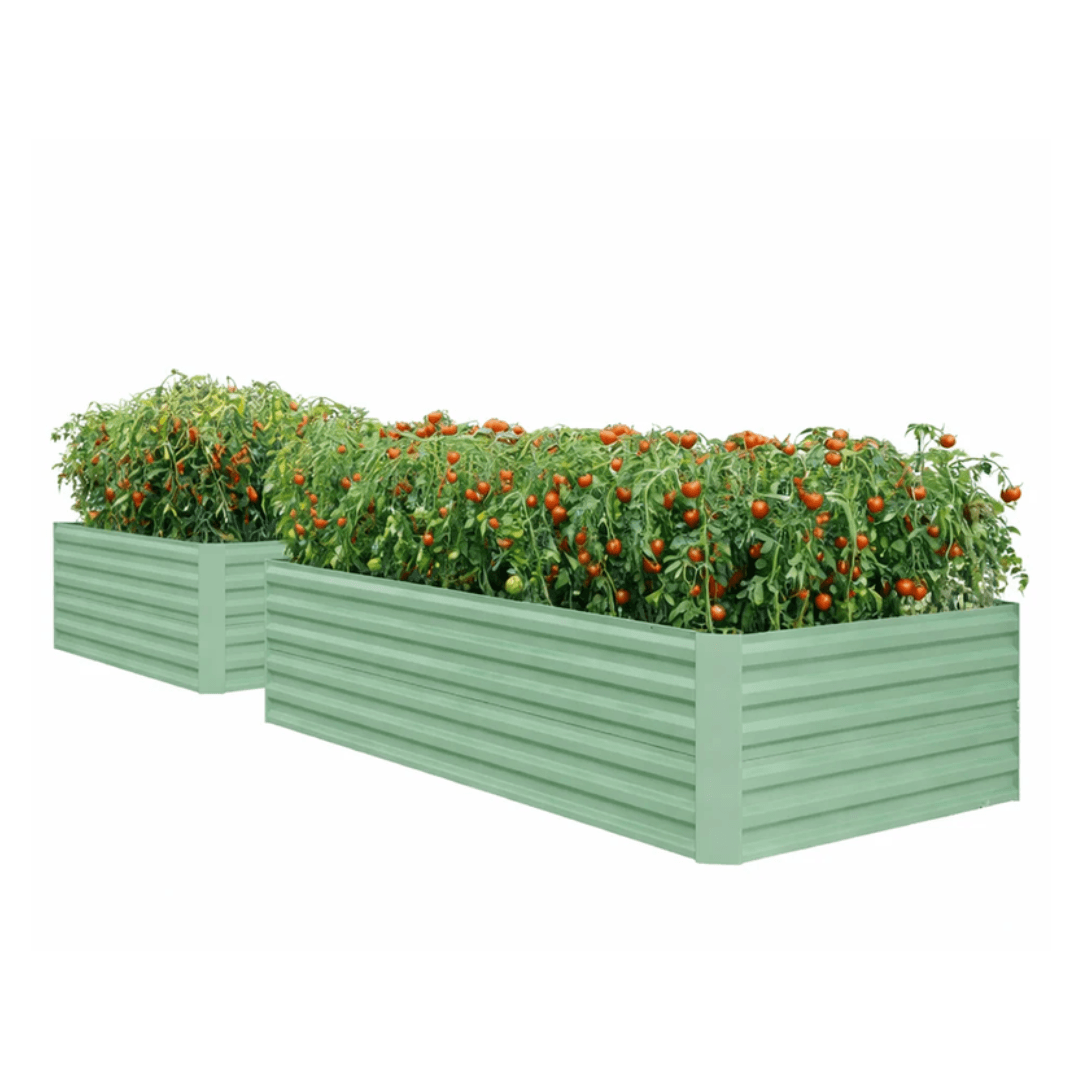
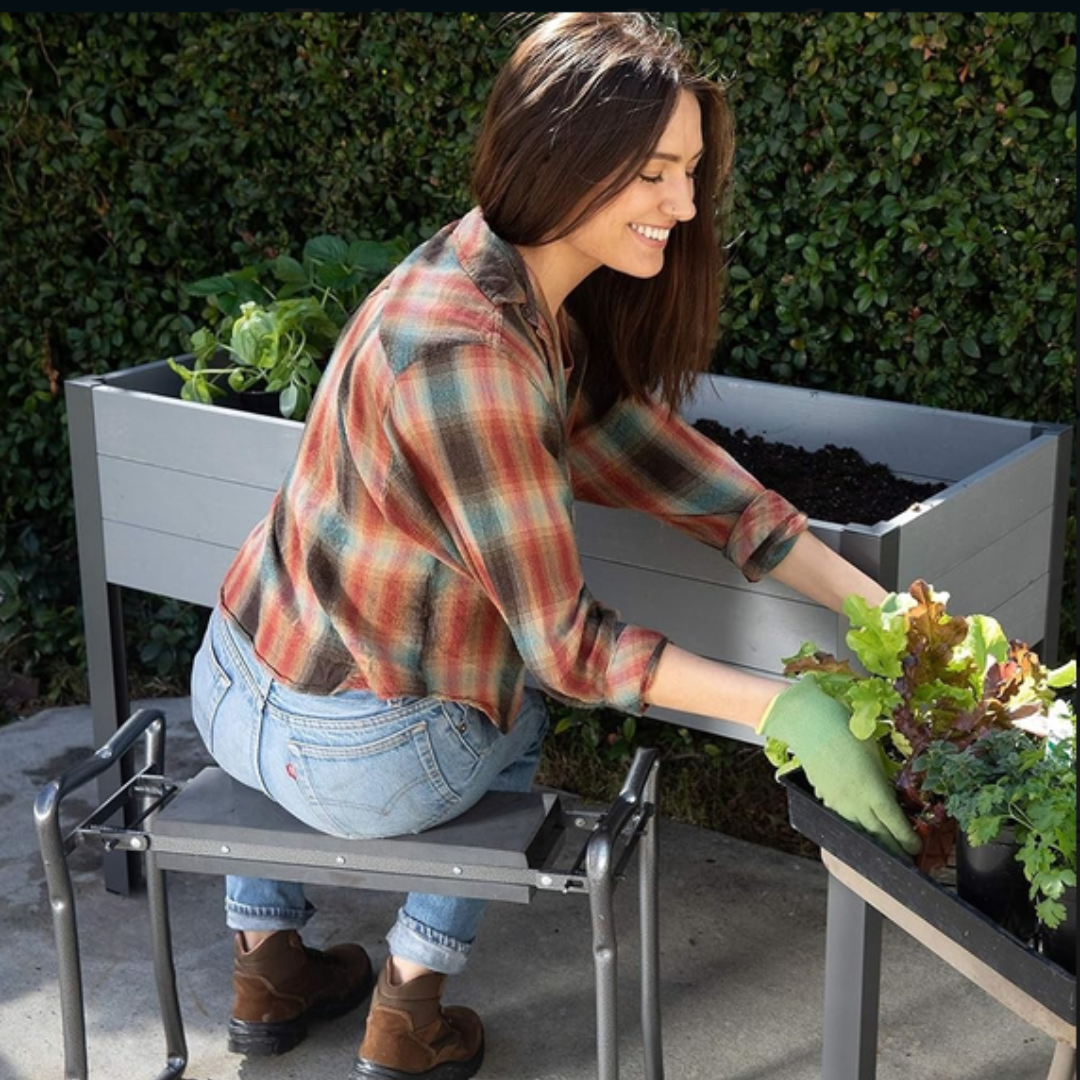
Raise the Garden
Constant bending is difficult on arthritic knees, hips, and backs.
Raised beds bring the garden closer to you.
Tall containers on sturdy stands can accomplish the same thing.
Vertical gardening also reduces bending while making harvesting easier.
Let Wheels Do the Work
There is no reason to carry heavy loads if you don’t have to.
A rolling garden cart or utility wagon can move:
- Potting soil
- Compost
- Mulch
- Plants
- Fertilizer
- Harvest baskets
Save your energy for gardening, not hauling.
Work in Short Sessions
Long gardening sessions often lead to painful flare-ups.
Instead, work for twenty or thirty minutes.
Take a break.
Have a drink of water.
Enjoy your garden.
Then decide whether you’re ready to continue.
You will often accomplish more by working several short sessions than one long one.
Organize Your Workspace
Keep frequently used tools nearby.
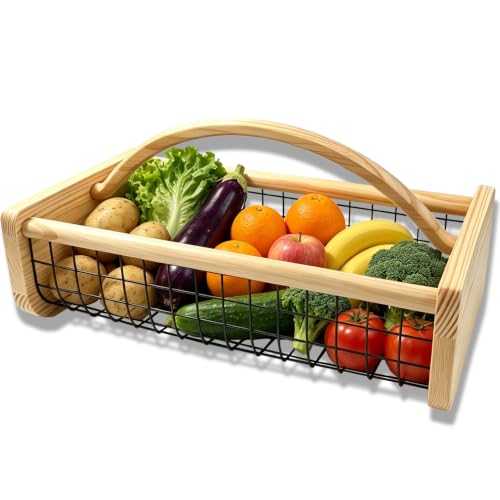
Use a garden tote or rolling cart so everything moves with you.
Less walking and less searching means less fatigue.
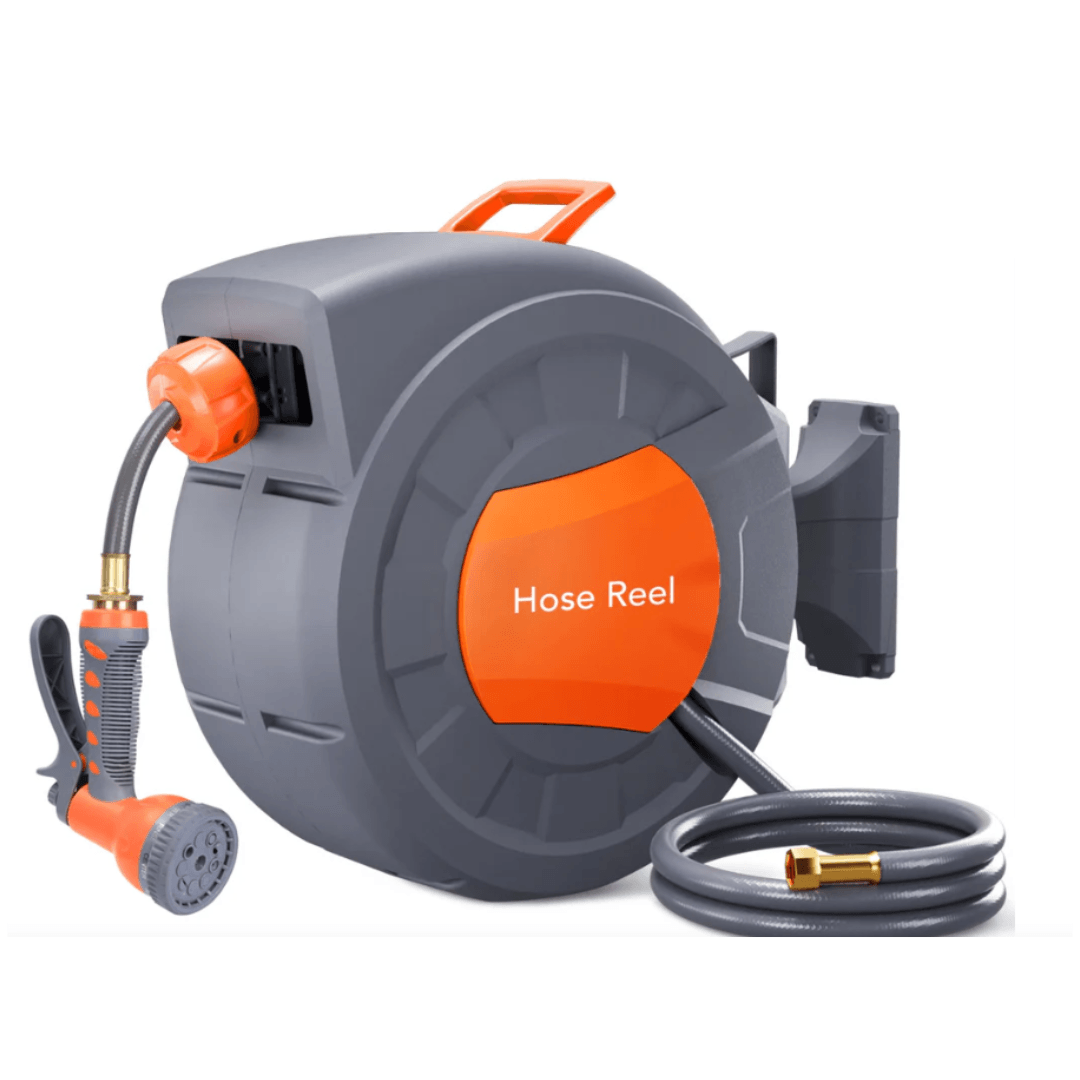
Make Watering Easier
Heavy hoses become surprisingly difficult when arthritis affects your hands and shoulders.
Consider using:
- Drip irrigation
- Soaker hoses
- Lightweight expandable hoses
- Hose reels
- Rain barrels near garden beds
These changes reduce lifting and repetitive movement.
Choose Low-Maintenance Plants
Some plants practically take care of themselves.
Consider:
- Native flowers
- Perennials
- Herbs
- Disease-resistant vegetables
- Drought-tolerant plants
You’ll spend less time maintaining your garden and more time enjoying it.
Garden during Cooler Hours
Heat can increase fatigue and swelling.
Morning and early evening are usually the most comfortable times to work outside.
Avoid the hottest part of the afternoon whenever possible.
Stretch before Gardening
A few minutes of gentle stretching prepares your body for movement.
Focus on your:
- Fingers
- Hands
- Wrists
- Shoulders
- Back
- Hips
- Knees
- Ankles
It doesn’t take long, but it can make gardening more comfortable.
Stay Hydrated
Always keep water nearby.
Dehydration increases fatigue and muscle soreness.
Take breaks before you think you need them.
Sometimes the smartest gardening tool is a comfortable chair in the shade.
Ask for Help
There is nothing wrong with asking someone else to lift fifty-pound bags of soil.
Ask family, neighbors, or even garden center employees.
Protecting your joints today helps you stay independent tomorrow.
Gardening Is Part of Preparedness
A productive garden provides fresh food, exercise, and peace of mind.
When your garden is designed around your abilities instead of your limitations, it’s easier to maintain during emergencies, power outages, or difficult seasons.
Preparedness isn’t always about buying more supplies.
Sometimes it’s about making everyday life easier.
🌿 Trusted Gardening Resources
Enjoying your garden is easier when you have the right tools. These trusted gardening products can help reduce strain on your shoulders, protect your joints, and make everyday gardening tasks safer and more comfortable.
Whether you’re dealing with arthritis, recovering from surgery, or simply looking for easier ways to garden, these are products worth considering.
My Favorite Tools for Easier, Safer Gardening
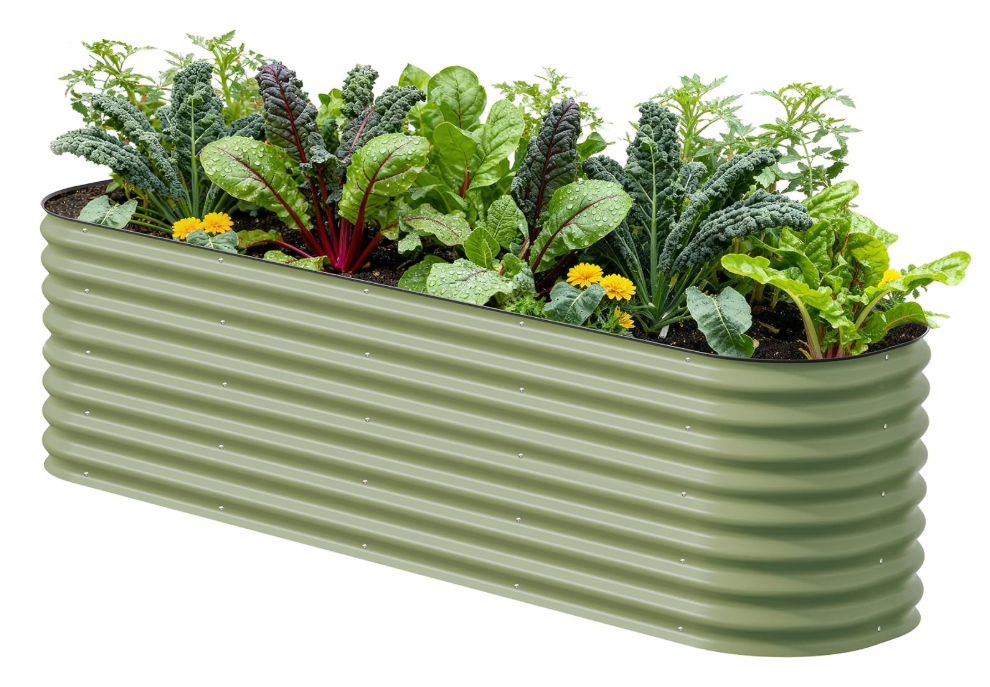
Gardening should not leave you hurting for days. I put together this collection of senior-friendly gardening tools, raised planters, and helpful accessories. I own and use several of them myself, while others were chosen because they may reduce bending, lifting, gripping, and reaching.
Select any image below to see the product details.







Why This Matters
Arthritis changes how you garden.
It doesn’t have to change who you are.
By choosing better tools, planning smarter, and respecting your body’s limits, you can continue growing fresh food and beautiful flowers for many years.
Small changes today can help you enjoy your garden tomorrow.
🌱 Continue the Gardening without Pain Series
Every gardener faces different physical challenges, but that doesn’t mean giving up a hobby you love.
Explore the rest of the Gardening without Pain series for practical tips on adapting your garden, protecting your joints, and staying active for years to come.
*As the articles get posted, I will highlight the link.
Articles in the Series
- 🌱 Raised Bed Gardening for Seniors
- 💪 Gardening with Shoulder Pain
- 🪴 Gardening with Back Pain
- 🦵 Gardening with Knee Pain
- 🚶 Gardening with Hip Pain
- ✋ Gardening with Weak Hands
- 🩹 Gardening with Arthritis
- 🌼 Gardening after a Stroke
- ♿ Gardening with Limited Mobility
- 🌿 Gardening with Parkinson’s Disease
👉 Visit the Smart Gardening for Seniors Hub
Part of the Smart Gardening for Seniors: Growing More. Hurting Less. Series
Discover more practical gardening tips for shoulder pain, back pain, knee pain, hip pain, arthritis, and other challenges that affect senior gardeners.
FAQs
Is gardening good for arthritis?
Yes. Gentle gardening can improve flexibility, strengthen muscles, and help maintain joint mobility when done safely.
What are the best gardening tools for arthritis?
Look for ergonomic tools with padded handles, lightweight construction, and spring-assisted or ratcheting mechanisms.
Are raised beds better for arthritis?
Yes. Raised beds reduce bending, kneeling, and reaching, making gardening much easier on painful joints.
Should I garden during an arthritis flare?
Light activity may help some people, but stop if your pain increases. Listen to your body and rest when needed.
Can gardening help seniors stay independent?
Absolutely. Gardening promotes regular movement, provides fresh food, and supports both physical and mental well-being.
Join the Conversation
Do you garden with arthritis? I’d love to hear what has helped you continue enjoying your garden. Maybe you’ve found an ergonomic tool you can’t live without, switched to raised beds, or discovered a simple trick that makes gardening easier on your joints. Please leave a comment below and share your experience. Your ideas may encourage and help another gardener facing the same challenges. Happy gardening! 🌱