
Gardening with Weak Hands: Keep Gardening Without Losing Your Grip
This post may contain affiliate links. If you buy through them, I may earn a small commission at no extra cost to you.

🌱 From My Garden
I know how frustrating it is when gardening leaves you sore for days.
TI don’t write these articles because I read about them. I write them because I’ve lived them. Between shoulder surgery for torn rotator cuff in both shoulders, two left shoulder replacements, chronic back pain, knee surgery, and surgeries on my right hand for carpal tunnel syndrome and Dupuytren’s contracture, I’ve had to learn how to keep gardening without making my pain worse.
The tips I share come from real experience, along with research and current gardening best practices. My goal is simple: help you keep gardening safely, comfortably, and for many years to come.
Gardening Doesn’t Have to End Because Your Hands Feel Weak
Weak hands can turn simple gardening jobs into frustrating challenges. Opening bags of potting soil, squeezing hand pruners, pulling stubborn weeds, or carrying flower pots may become difficult when your grip isn’t as strong as it used to be.
I know that feeling firsthand. After surgery for carpal tunnel syndrome and Dupuytren’s contracture in my right hand, I had to rethink how I gardened. I quickly learned that using the right tools and changing a few habits made a world of difference. It doesn’t help that I spend way too much time on my PC and phone.
Whether your weak hands are caused by arthritis, nerve problems, past surgery, overuse, or simply getting older, you can still enjoy gardening. The goal isn’t to work harder. It’s to work smarter.
🌱 From My Garden
After surgery for carpal tunnel syndrome and Dupuytren’s contracture in my right hand, I discovered that gardening wasn’t just about bending anymore. Even squeezing hand pruners, pulling weeds, or gripping small tools could leave my hand sore and tired.
I learned to choose ergonomic tools, larger grips, and smarter techniques instead of relying on hand strength alone. Those simple changes have allowed me to keep gardening while putting less strain on my hands.
I don’t write these articles from a textbook. I write them from experience. Between multiple shoulder surgeries, two left shoulder replacements, chronic back pain, knee problems, and surgeries on my right hand for carpal tunnel syndrome and Dupuytren’s contracture, I’ve had to learn how to keep gardening without making my pain worse. The tips I share come from real experience, along with research and current gardening best practices.
Why Weak Hands Can Make Gardening More Difficult
Weak grip strength affects many everyday gardening tasks. Something as simple as squeezing pruners, twisting a hose nozzle, pulling weeds, or carrying a watering can may become uncomfortable.
Fortunately, small changes often produce big improvements.
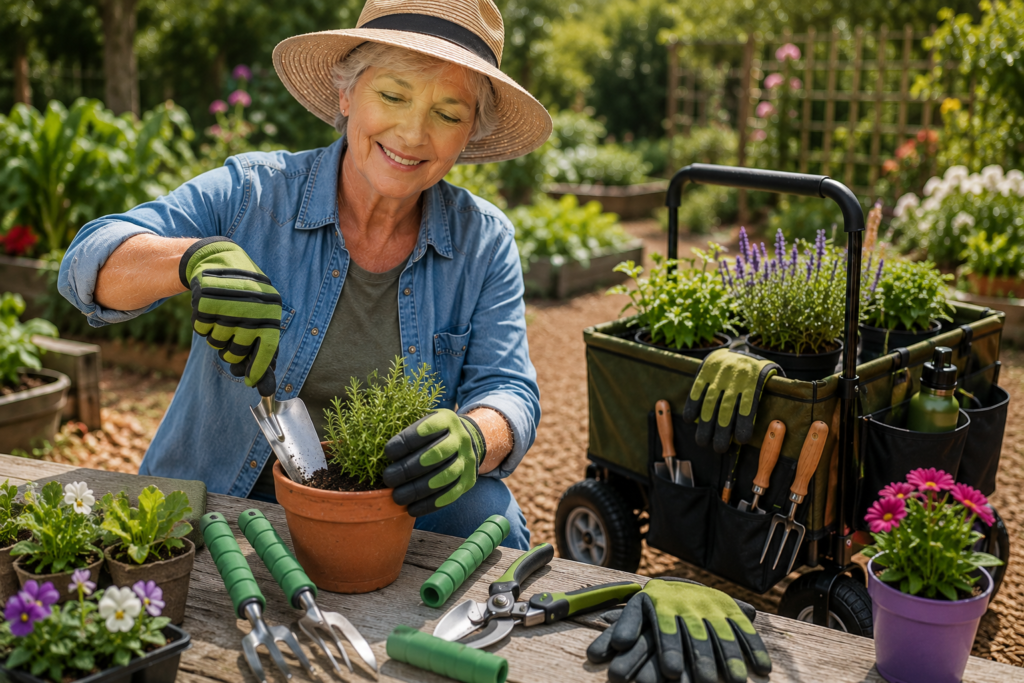
Choose Ergonomic Garden Tools
Explain:
- Larger handles
- Cushioned grips
- Lightweight materials
- Spring-assisted tools
Ratcheting Pruners Can Be a Game Changer
Explain why ratcheting pruners require much less grip strength and are often easier for seniors to use.
🌿 Trusted Gardening Resources
Enjoying your garden is easier when you have the right tools. These trusted gardening products can help reduce strain on your shoulders, protect your joints, and make everyday gardening tasks safer and more comfortable.
Whether you’re dealing with arthritis, recovering from surgery, or simply looking for easier ways to garden, these are products worth considering.
I Recommend:
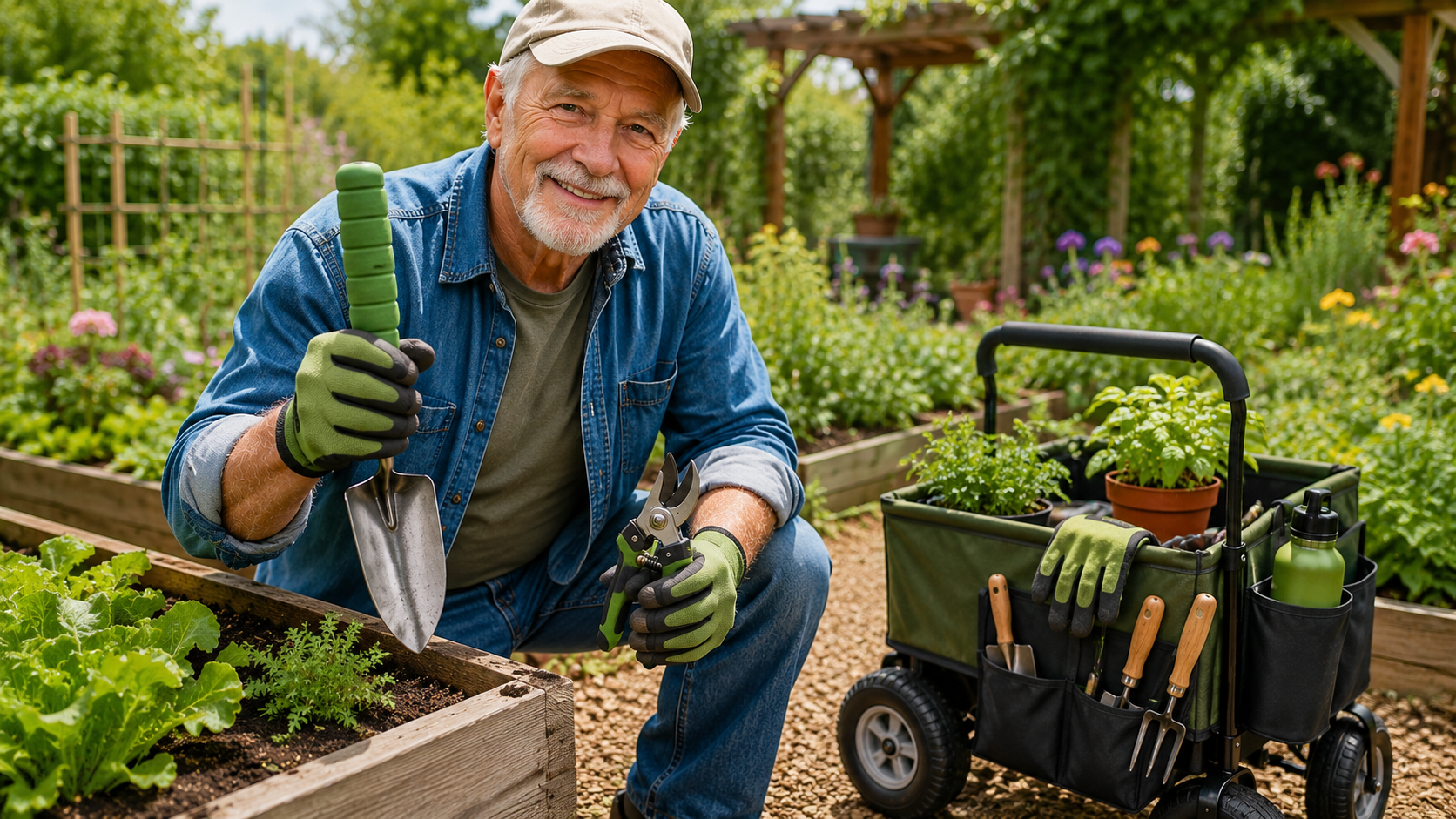
- Ergonomic garden tools
- Ratcheting pruners
- Garden gloves
- Foam grip enlargers
- Rolling garden cart
- Electric pruners
- Lightweight watering wand
My Favorite Tools for Easier, Safer Gardening
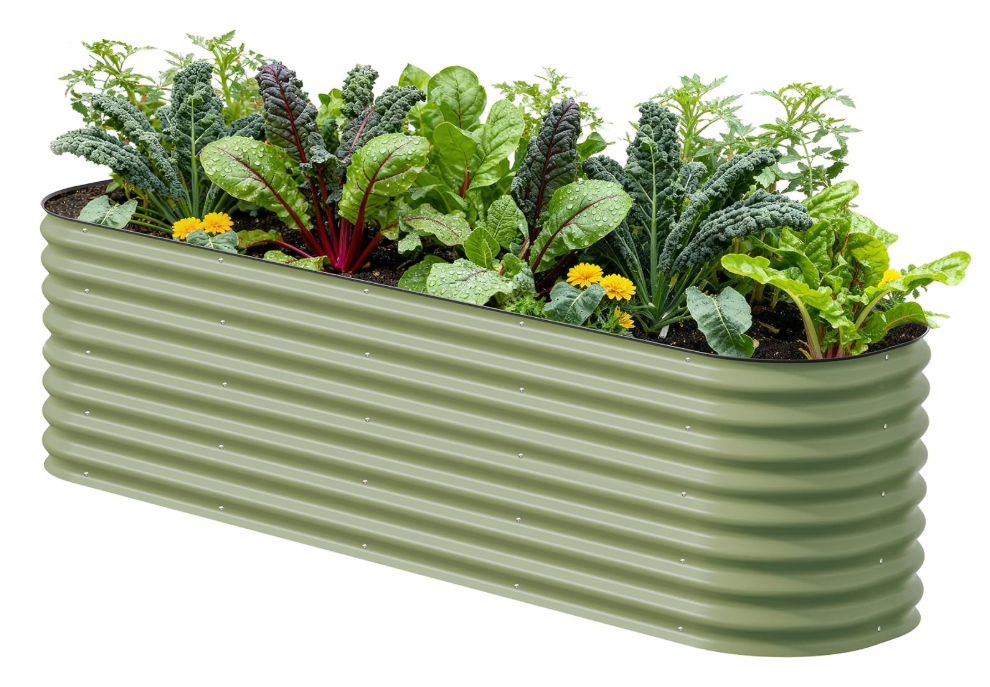
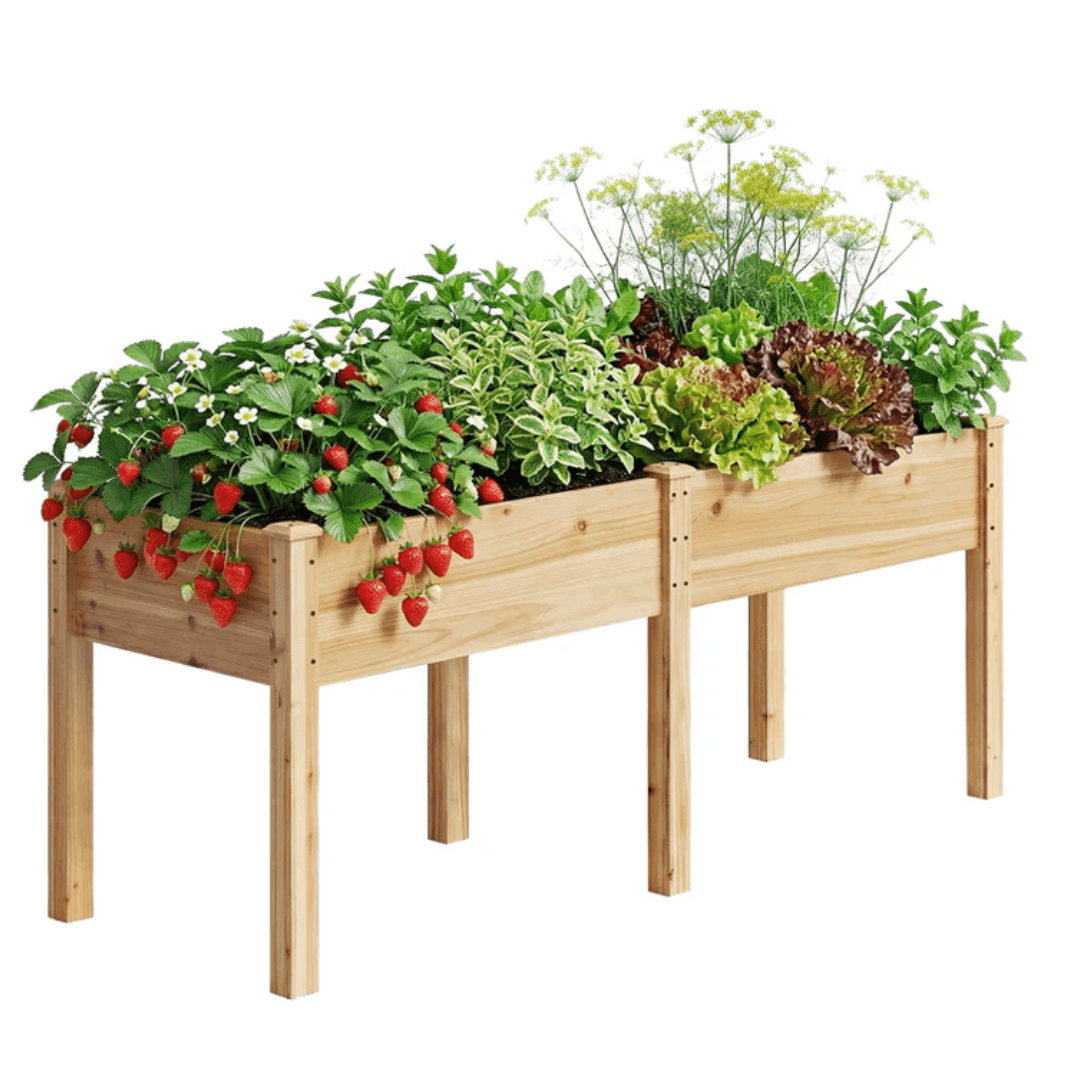
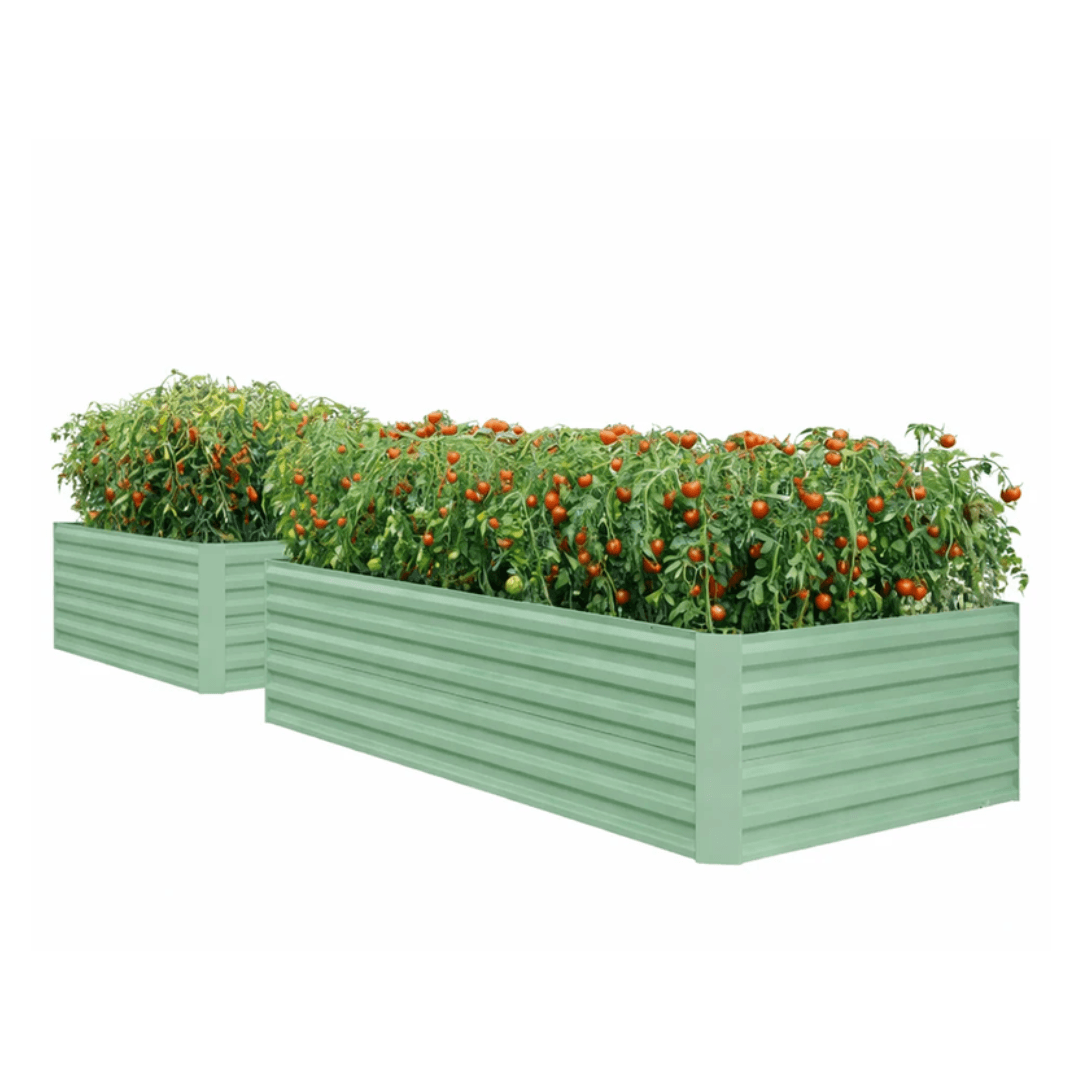
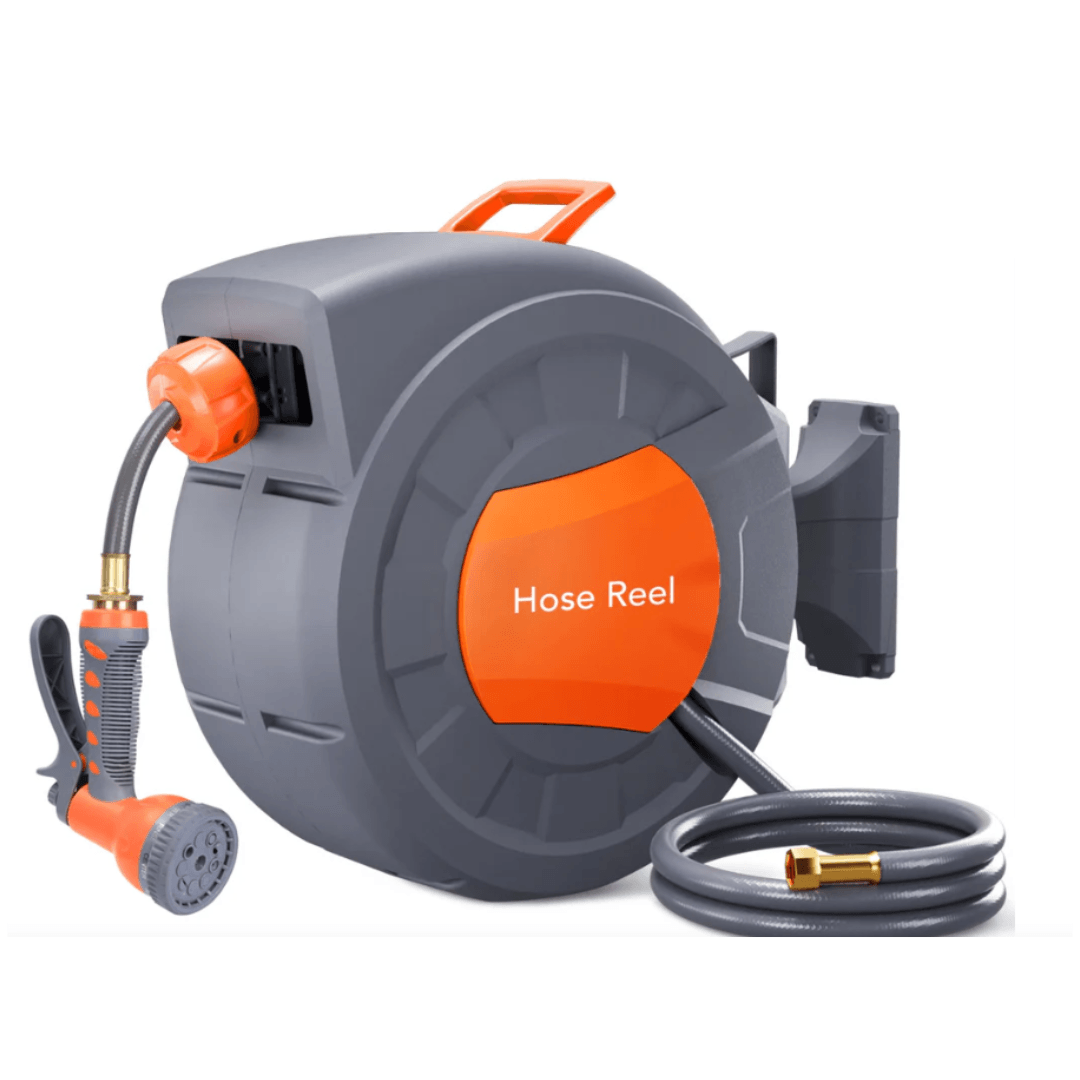
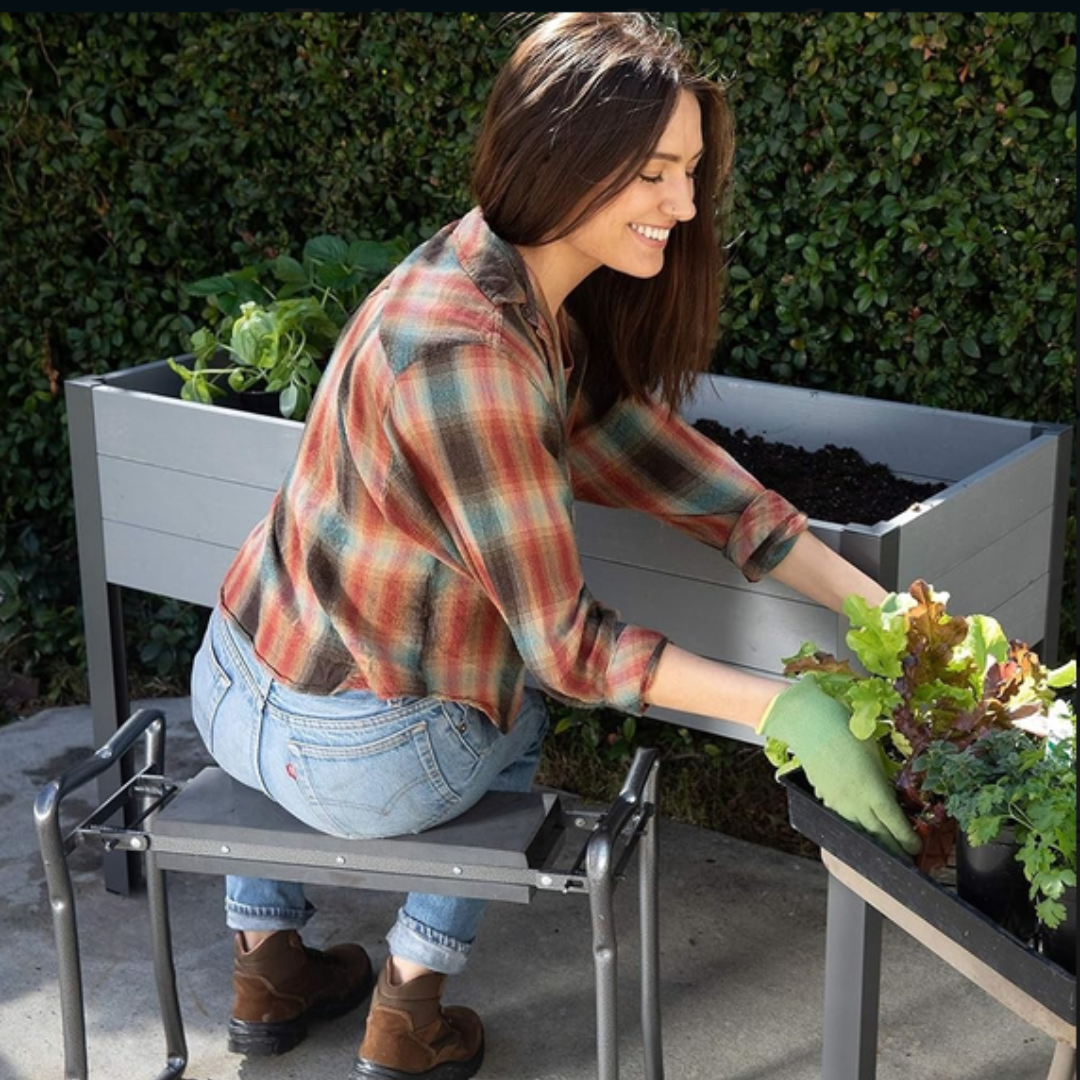
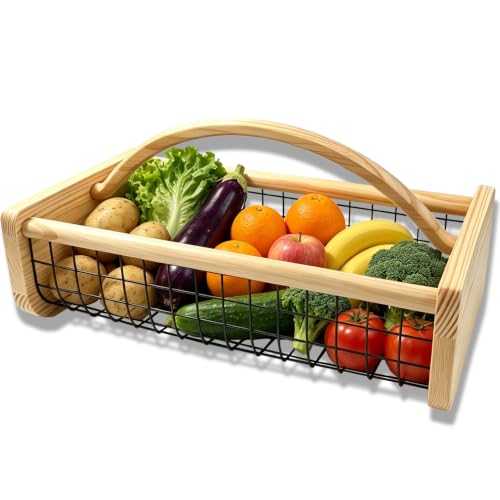
Gardening should not leave you hurting for days. I put together this collection of senior-friendly gardening tools, raised planters, and helpful accessories. I own and use several of them myself, while others were chosen because they may reduce bending, lifting, gripping, and reaching.
Select any image below to see the product details.







Make Tool Handles Easier to Hold
Cover:
- Foam tubing
- Tennis grip wrap
- Commercial grip enlargers
Wear Gloves That Improve Your Grip
Wear Gloves That Improve Your Grip
The right pair of gardening gloves can make a surprising difference if you have weak hands or reduced grip strength. Gloves with textured rubber or nitrile-coated palms help you hold tools more securely without squeezing as hard. They also reduce hand fatigue by preventing tools from slipping while protecting your hands from blisters, thorns, and rough surfaces. Look for gloves that fit snugly without being too tight, since bulky gloves can make it harder to handle small seeds or delicate plants.
This section naturally covers:
- Better traction
- Less hand fatigue
- Improved comfort
Let a Garden Cart Carry the Weight
Instead of carrying heavy pots or bags of soil, push a rolling cart whenever possible.
Raised Beds Reduce Repetitive Strain
Raised beds allow you to work more comfortably and reduce the amount of gripping and reaching required.
Take Frequent Hand Breaks
Recommend:
- Gentle stretching
- Finger exercises
- Alternating tasks
- Resting before pain develops
Don’t Be Afraid to Use Battery-Powered Tools
Electric pruners and other lightweight battery-powered tools can reduce stress on weak hands and help you continue gardening safely.
🌱 Continue the Gardening without Pain Series
Every gardener faces different physical challenges, but that doesn’t mean giving up a hobby you love.
Explore the rest of the Gardening without Pain series for practical tips on adapting your garden, protecting your joints, and staying active for years to come.
*As the articles get posted, I will highlight the link.
Articles in the Series
- 🌱 Raised Bed Gardening for Seniors
- 💪 Gardening with Shoulder Pain
- 🪴 Gardening with Back Pain
- 🦵 Gardening with Knee Pain
- 🚶 Gardening with Hip Pain
- ✋ Gardening with Weak Hands
- 🩹 Gardening with Arthritis
- 🌼 Gardening after a Stroke
- ♿ Gardening with Limited Mobility
- 🌿 Gardening with Parkinson’s Disease
👉 Visit the Smart Gardening for Seniors Hub
Part of the Smart Gardening for Seniors: Growing More. Hurting Less. Series
Discover more practical gardening tips for shoulder pain, back pain, knee pain, hip pain, arthritis, and other challenges that affect senior gardeners.
Final Thoughts
Weak hands may change how you garden, but they don’t have to stop you from doing something you love.
With the right tools, a few simple adaptations, and realistic expectations, you can continue growing flowers, vegetables, and herbs for many years to come.
Gardening isn’t about having the strongest grip. It’s about finding smarter ways to keep growing.
FAQs
Can I still enjoy gardening if I have weak hands?
Yes! Many gardeners continue to enjoy gardening despite reduced grip strength. Ergonomic tools, raised beds, rolling garden carts, and simple adaptations can make gardening much easier while reducing strain on your hands.
What causes weak hands while gardening?
Weak hands can result from arthritis, carpal tunnel syndrome, nerve damage, previous surgeries, Dupuytren’s contracture, aging, or other medical conditions. Even temporary weakness can make gripping tools and performing repetitive tasks more difficult.
What are the best gardening tools for weak hands?
Look for lightweight tools with large, cushioned handles that require less gripping force. Ratcheting pruners, long-handled tools, ergonomic trowels, and foam grip covers are all excellent choices for reducing hand fatigue.
Are ratcheting pruners better for weak hands?
Yes. Ratcheting pruners cut in several small steps instead of requiring one strong squeeze. This design reduces the amount of grip strength needed, making pruning much easier for gardeners with weak hands or arthritis.
How can I make my garden tools easier to hold?
You can enlarge tool handles with foam tubing, bicycle grip tape, or commercial grip covers. A larger handle reduces the amount of force needed to hold and control the tool, making gardening more comfortable.
Should I wear gloves if I have weak hands?
Yes. Well-fitting gardening gloves with textured or rubberized palms improve your grip on tools and reduce slipping. They also help protect your hands from blisters, thorns, and abrasions while decreasing the effort needed to hold tools securely.
How can I avoid hand fatigue while gardening?
Work in shorter sessions, switch tasks frequently, and take regular breaks before your hands become tired. Using ergonomic tools, avoiding heavy lifting, and letting a rolling garden cart carry supplies can also help reduce fatigue.
What About You?
How have you adapted your gardening routine because of weak hands? Have you found a favorite tool or gardening technique that makes life easier? Share your experience in the comments. Your ideas may help another gardener continue enjoying the outdoors.