
Food Shortage Survival Planning for Seniors: Preparing for Empty Store Shelves
This post may contain affiliate links. If you buy through them, I may earn a small commission at no extra cost to you.
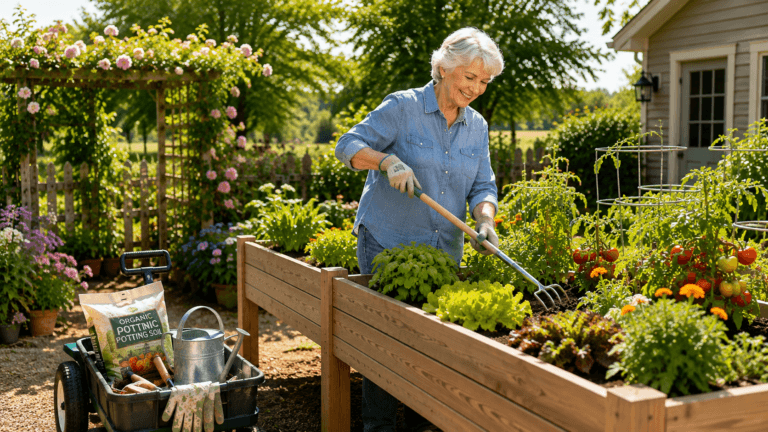
Many of you faced food shortages if you were alive during the 2020 COVID pandemic. We live in a small town and in the country, so we weren’t affected as much as urban areas. I did have a small garden to supplement, but I didn’t have the strength to grow many veggies or fruits.
Food shortages can happen quickly when supply chains are disrupted. Severe storms, economic instability, transportation breakdowns, pandemics, or regional disasters can prevent stores from receiving regular shipments.
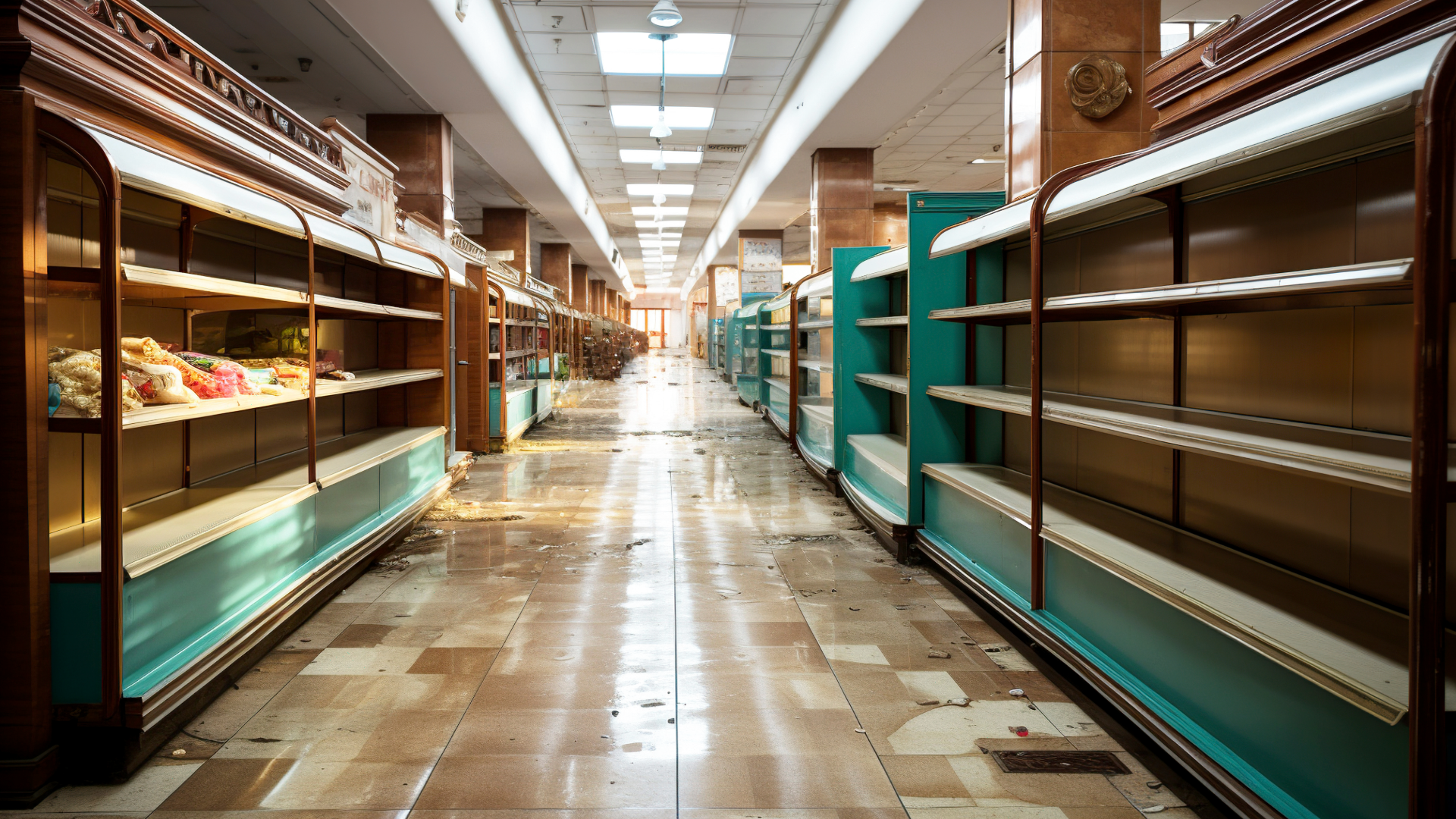
When deliveries slow or stop, grocery shelves can empty within hours.
For seniors who depend on reliable access to groceries and medication-compatible diets, planning ahead helps prevent panic and protects health during uncertain times.
Food preparedness does not require extreme stockpiling. It simply means maintaining a practical reserve of shelf-stable foods and understanding how to adapt meals when supplies become limited.
With thoughtful preparation, seniors can remain stable even when food distribution systems are strained.
This guide is part of the Ultimate Disaster Survival Guide, where you can explore 29+ emergency scenarios seniors should prepare for. Emergencies can quickly become dangerous, especially for older adults, making preparation essential for staying safe and independent.
Why Food Shortages Occur
Modern food systems rely on a complex chain of production and transportation. If one link in the chain fails, the entire system can slow down or stop.
Events that may trigger food shortages include:
• supply chain disruptions
• transportation breakdowns
• economic instability
• severe weather disasters
• labor shortages
• panic buying during emergencies
Even short interruptions can cause stores to run out of essential items.
Planning ahead reduces the need to compete for supplies during these disruptions.

Warning Signs a Food Shortage May Be Developing
Food shortages rarely appear without warning. Early signals often indicate stress in the supply system.
Watch for these signs:
• stores limiting purchases of certain items
• rising prices for staple foods
• delayed deliveries or empty shelves
• fewer choices in grocery stores
• reports of trucking or supply disruptions
• sudden panic buying in your area
Recognizing these signals early gives you time to prepare calmly.
Building a Senior-Friendly Emergency Food Supply
Emergency food storage does not require filling an entire room with supplies. A practical reserve can support daily nutrition during disruptions.
Many preparedness experts recommend maintaining at least two weeks of food.
Helpful foods for seniors include:
• canned vegetables and fruit
• canned tuna, chicken, or salmon
• rice and pasta
• oatmeal and grains
• shelf-stable milk
• peanut butter or nut spreads
• beans and lentils
• crackers and dry goods
Choose foods you already eat, so nothing is wasted.
Consider Special Dietary Needs
Many seniors follow dietary guidelines for health conditions such as diabetes or heart disease.
When planning emergency food supplies, consider:
• low-sodium options
• diabetic-friendly foods
• easy-to-digest meals
• soft foods if chewing is difficult
If medications require food intake, ensure compatible meals are included in your supply.
Trusted Disaster Preparedness Resources
Whether you’re preparing for hurricanes, floods, power outages, food shortages, or other emergencies, having reliable preparedness resources can make planning easier. These trusted companies offer emergency food, water storage, and preparedness supplies to help you build resilience before disaster strikes.
✅ My Patriot Supply
✅ Emergency Essentials / BePrepared
Store Food Safely
Emergency food should remain safe for long-term storage.
Good storage habits include:
• keeping food in a cool, dry location
• protecting supplies from pests
• rotating items before expiration dates
• labeling containers with purchase dates
Rotating foods through regular meals keeps supplies fresh.
Plan for Cooking Without Power
Food shortages sometimes occur alongside power outages or infrastructure failures.
Backup meal options include:
• canned foods that require no cooking
• portable camping stoves
• small propane burners
• manual can openers
• shelf-stable ready-to-eat meals
Simple meal preparation helps reduce stress during emergencies.
Maintain Hydration and Basic Nutrition
During shortages, access to beverages may also become limited.
Store additional supplies such as:
• bottled water
• electrolyte drinks
• shelf-stable beverages
Balanced nutrition helps maintain strength and immune health.
Community and Family Support
Food shortages are easier to manage when communities work together.
Helpful steps include:
• coordinating plans with family members
• sharing resources with trusted neighbors
• following updates from local emergency officials
Strong community networks often help distribute resources during extended shortages.
Food Shortage Preparedness Protects Stability
Food shortages can create uncertainty, but preparation helps restore confidence.
By maintaining a simple food reserve and staying aware of supply disruptions, seniors can remain independent and secure even when grocery systems are strained.
Preparedness is not about fear. It is about protecting health and maintaining stability in the face of unexpected events.
Food shortages don’t happen in isolation.
This is just one of many emergencies seniors should prepare for. Build your full plan with our complete disaster guide.
See All Disaster Plans →Comment Section
Have you started building an emergency food supply? If so, what products have you added? Do you have a favorite storage item for food and/or water? Would you share what foods you keep in your preparedness pantry? Your experience may help other readers prepare for food shortages more effectively.
FAQs
How much food should seniors store for emergencies?
Most preparedness experts recommend keeping at least two weeks of food at home. Some households prefer maintaining a one-month supply.
What foods are best for emergency storage?
Shelf-stable foods such as canned vegetables, beans, tuna, rice, oatmeal, pasta, and peanut butter store well and require little preparation.
How do food shortages happen?
Food shortages often occur when transportation systems, supply chains, or food production are disrupted by disasters or economic instability.
Do I need special emergency food kits?
No. Most people can build a reliable emergency pantry using regular grocery items they already eat.
How can I start building an emergency food supply?
Gradually add extra shelf-stable items during regular grocery shopping and rotate them into everyday meals.