Chemical Spill Survival Planning for Seniors: Shelter and Evacuation Safety
This post may contain affiliate links. If you buy through them, I may earn a small commission at no extra cost to you.
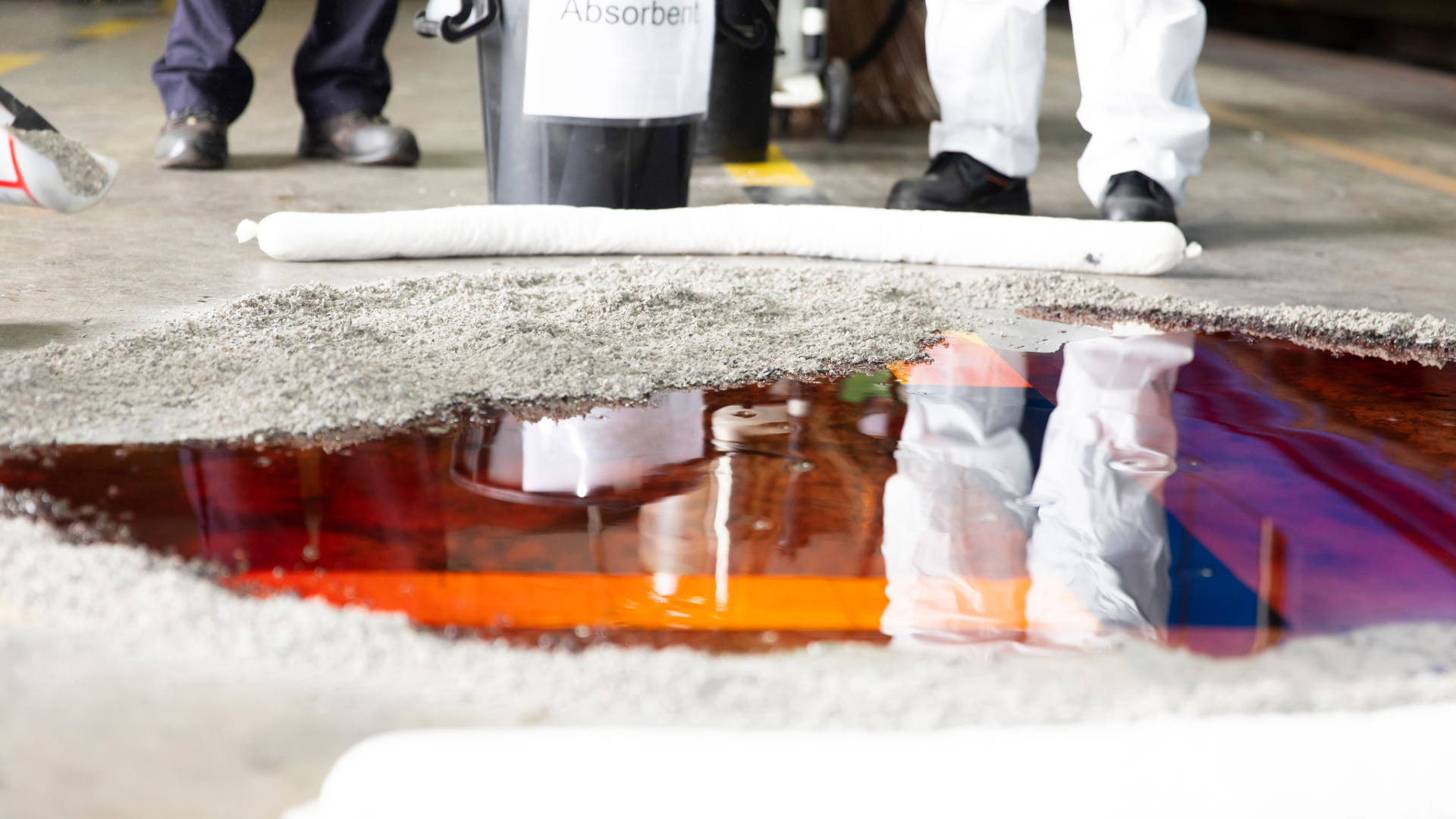
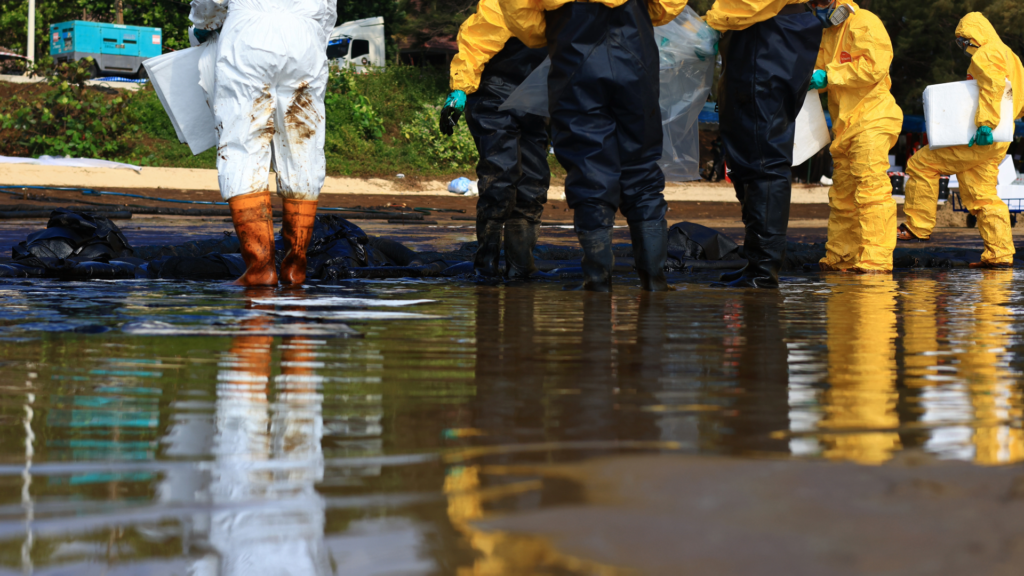
Chemical spills can happen fast and without warning. A truck accident, train derailment, or industrial leak can release dangerous fumes into the air.
For seniors, the goal is simple: avoid exposure, protect your breathing, and act quickly but calmly.
This guide gives you a clear plan.
No single disaster happens in isolation.
Build your complete preparedness plan with our full disaster guide for seniors.
View the Ultimate Disaster Survival GuideCommon Chemical Spill Sources Near You
- Highways (truck accidents)
- Railroads (train derailments)
- Industrial plants
- Gas stations and storage tanks
- Ports and shipping areas
Step 1: Recognize the Warning Signs
Chemical spills are not always obvious, but there are clues:
- Strong chemical smells (bleach, ammonia, burning plastic)
- Eye, nose, or throat irritation
- Visible vapor, mist, or unusual haze
- Emergency sirens or alerts
- News reports or phone warnings
In Florida, spills can happen near highways, rail lines, ports, and industrial areas.
If something feels wrong, assume it is serious and act immediately.
Step 2: Decide Fast — Shelter or Evacuate
You usually have two options.
Shelter in Place (Most Common)
Stay inside if authorities say so or if you cannot leave safely.
- Close all windows and doors
- Turn off the air conditioning or ventilation
- Seal gaps with towels or tape
- Move to an interior room if possible
This keeps contaminated air out.
Evacuate (If Directed or Necessary)
Leave if told to evacuate or if the air inside becomes unsafe.
- Move crosswind or upwind (not downwind)
- Avoid low areas where fumes can settle
- Follow official routes if available
Simple rule:
If you can stay sealed safely, stay.
If not, leave early.
Step 3: Prepare a Simple Chemical Safety Kit
You do not need anything complicated. Just the basics.
For 3–5 days:
- Water: 1 gallon per person per day
- Food: sealed, non-perishable items
- N95 masks (or better if available)
- Goggles or eye protection
- Battery-powered radio
- Medications and copies of prescriptions
- Basic first aid supplies
- Wet wipes and plastic bags
Keep everything in a sealed container if possible.
Step 4: Protect Your Home Space
If you shelter in place, your home becomes your safety zone.
- Choose a room with few windows
- Seal doors and vents with tape or damp towels
- Stay off lower floors if fumes are heavy
- Avoid using fans that pull in outside air
Think of it like this:
You are creating a clean bubble inside your home.
Step 5: What to Do If You Are Exposed
If you come into contact with chemicals:
- Leave the area immediately
- Remove outer clothing
- Wash your skin with soap and water
- Flush eyes with clean water if irritated
Do not delay. Quick action reduces harm.
Air contamination isn’t limited to chemical spills.
Similar risks happen during power grid failures and infrastructure breakdowns, where systems stop working and hazards spread quickly.
Step 6: Stay Informed and Wait for Clearance
Do not assume it is safe just because the smell fades.
- Listen to the radio or local alerts
- Wait for official “all clear” instructions
- Avoid going outside too soon
Some chemicals linger even when you cannot see or smell them.
FAQs
What should seniors do during a chemical spill?
Seniors should either shelter in place or evacuate immediately, depending on official instructions. If staying inside, close windows and doors, turn off ventilation, and seal gaps to prevent contaminated air from entering. If evacuating, move upwind or crosswind and avoid low-lying areas where chemicals may settle.
Is it safer to stay inside during a chemical spill?
In many cases, yes. Sheltering in place is often safer because it limits exposure to toxic air. A sealed indoor environment can protect you better than being outside unless authorities instruct evacuation.
What kind of mask protects against chemical fumes?
An N95 mask can help reduce exposure to airborne particles, but may not block all chemical gases. For better protection, a respirator with appropriate chemical cartridges is more effective, though not always necessary for short-term exposure.
How do you seal a room during a chemical emergency?
Close all windows and doors, turn off HVAC systems, and use tape or damp towels to seal gaps around doors, vents, and windows. Choose an interior room with minimal airflow for best protection.
What should you do if exposed to a chemical spill?
Leave the contaminated area immediately, remove outer clothing, and wash exposed skin with soap and water. If eyes are affected, rinse them thoroughly with clean water. Seek medical help if symptoms continue.
How long should you stay inside after a chemical spill?
Stay inside until local authorities announce it is safe. Even if smells disappear, harmful chemicals can remain in the air or on surfaces.
Final Thoughts
Chemical spills are dangerous, but they are also manageable with the right response.
- Recognize the signs
- Decide quickly
- Seal your space or leave early
- Protect your breathing
- Stay informed
Calm decisions save lives.
Some of the same protection steps also apply to nuclear emergency planning, where staying sealed and controlling airflow can save your life.
Comment Section
What’s your plan if a chemical spill happens near your home? Have you ever been involved in a chemical spill? If so, how did you effectively deal with it? Are you more likely to shelter in place or evacuate? Drop your thoughts below — your experience could help someone else prepare.