Foraging for Beginners: A Senior’s Guide to Finding Safe Wild Edible Plants
This post may contain affiliate links. If you buy through them, I may earn a small commission at no extra cost to you.
Introduction
Learning to identify wild edible plants is one of the most rewarding survival skills you can develop. Whether you’re preparing for emergencies, enjoying time outdoors, or simply becoming more self-sufficient, foraging helps you make better use of the natural resources around you.
For seniors, foraging offers additional benefits. It encourages gentle outdoor activity, builds confidence, and can supplement your emergency food supply when grocery stores or supply chains are disrupted. You do not need to become an expert overnight. Learning just a handful of safe, common plants can provide valuable knowledge that lasts a lifetime.
The key is safety. Never eat a wild plant unless you are completely confident you have identified it correctly. A little patience today is far better than making a dangerous mistake tomorrow.
This guide will introduce beginner-friendly edible plants, explain safe foraging practices, and help you develop the skills needed to forage responsibly.
We have five acres. I used to have a horse to graze the pastures, but she died at 28 years old in 2021. Now I have to mow it. Since I’ve been learning foraging, I have left sections unmown of the pasture that have some edible plants growing for harvesting.
Why Learn to Forage?
Foraging is often associated with survival television shows, but in reality it is a practical skill that anyone can learn. Knowing where to find safe, edible plants can help stretch your food supplies during emergencies and increase your self-reliance.
Foraging also helps you become more familiar with your local environment. Many edible plants grow in parks, woodlands, fields, and even backyards, yet most people walk past them without noticing.
For seniors, foraging can provide several additional benefits:
- Encourages regular outdoor activity.
- Promotes observation and lifelong learning.
- Supports emergency preparedness.
- Supplements a survival food plan.
- Helps build confidence during uncertain situations.
Remember, foraging should supplement your emergency food storage, not replace it. Your pantry should always be your first food source during an emergency. Wild foods simply provide another valuable option.
Start by Learning the Plants in Your Area
One of the biggest mistakes beginners make is trying to learn dozens of plants at once.
Instead, focus on the species that naturally grow where you live.
A good regional field guide is one of the best investments you can make. It provides photographs, descriptions, seasonal information, and details about plant habitats. You can also join local nature groups, guided foraging walks, or extension office programs to learn from experienced foragers.
As you become familiar with your local landscape, you’ll begin noticing the same edible plants appearing year after year.
Practice identifying plants during every season, even if you do not plan to harvest them. The more often you observe them, the easier they become to recognize.
8 Easy-to-Identify Wild Edible Plants for Beginners
Rather than learning dozens of edible plants, start with a small group that is common, easy to recognize, and widely available. Master these before moving on to more challenging species.
1. Dandelion
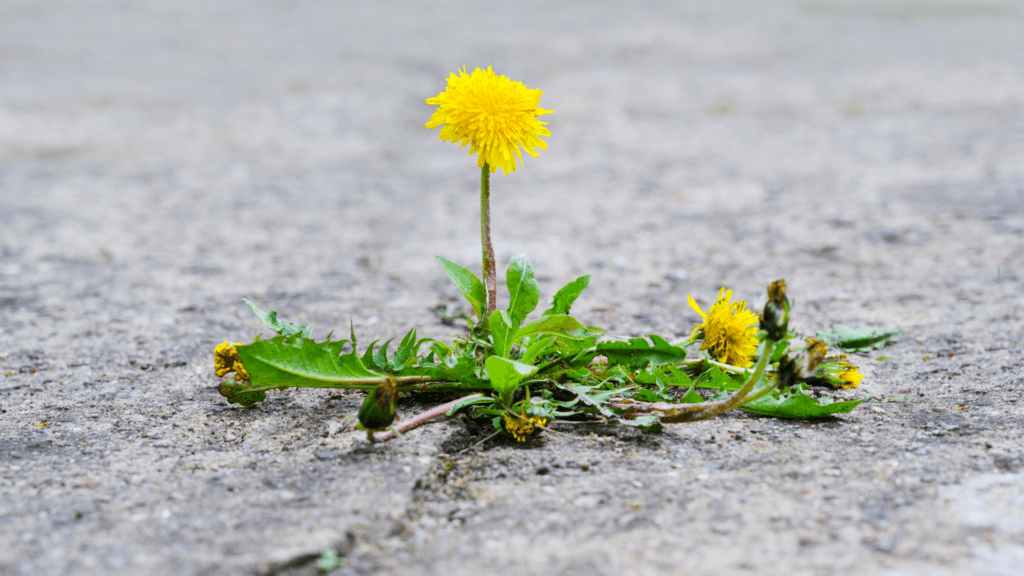
Dandelions are one of the easiest edible plants to identify.
Every part of the plant is edible.
- Young leaves can be added to salads.
- Older leaves are often cooked to reduce bitterness.
- Flowers can be used in teas or jellies.
- Roots may be roasted as a coffee substitute.
Because dandelions are so common, they are an excellent first plant for beginner foragers.
2. Plantain
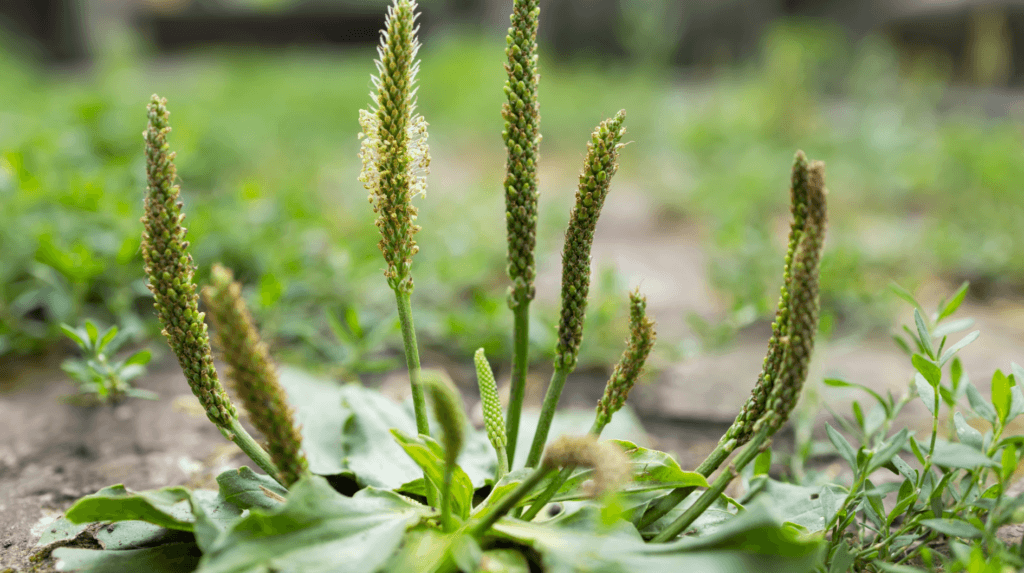
Not to be confused with the tropical banana-like fruit, wild plantain is commonly found in lawns, parks, and along walking trails.
Its broad leaves have distinctive parallel veins that make identification easier.
Plantain leaves can be cooked as greens, while crushed fresh leaves have traditionally been used to soothe minor insect bites and skin irritations.
3. Clover
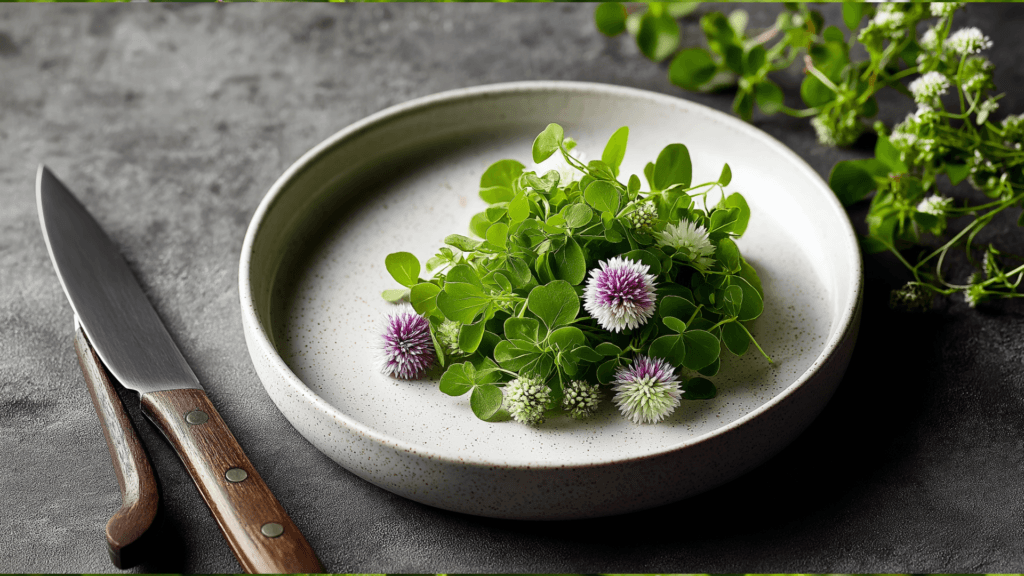
Red and white clover grow throughout much of North America.
The leaves and blossoms are edible.
Many people use the flowers to make herbal tea, while young leaves can be added to salads or soups.
Because clover often grows in large patches, it is another excellent beginner plant.
4. Cattails
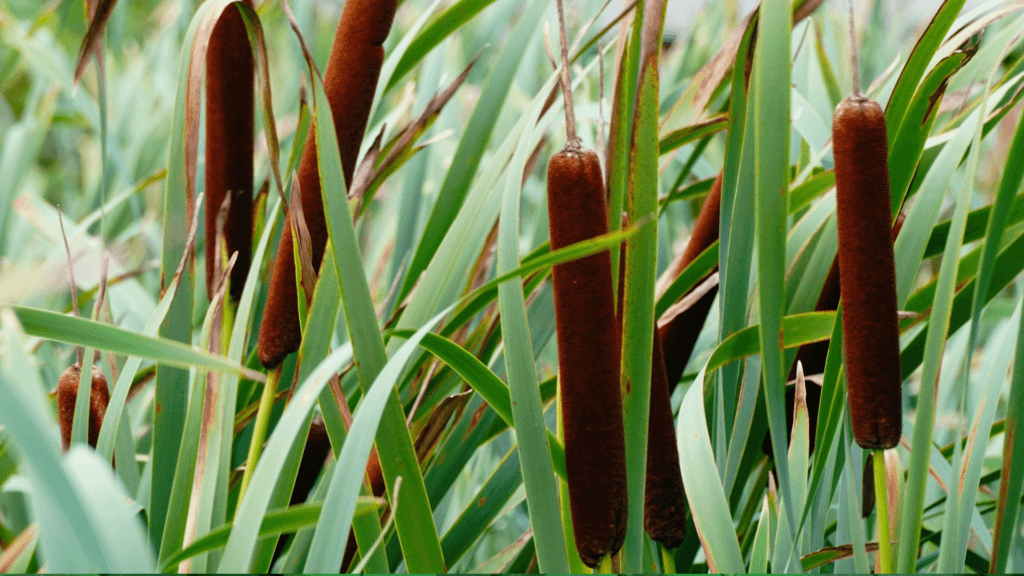
Often called the “supermarket of the swamp,” cattails provide several edible parts.
Young shoots can be eaten raw or cooked.
The roots contain starch that can be processed into flour, while the pollen can be added to baked goods.
Always harvest cattails from clean water sources, as they readily absorb pollutants.
5. Blackberries
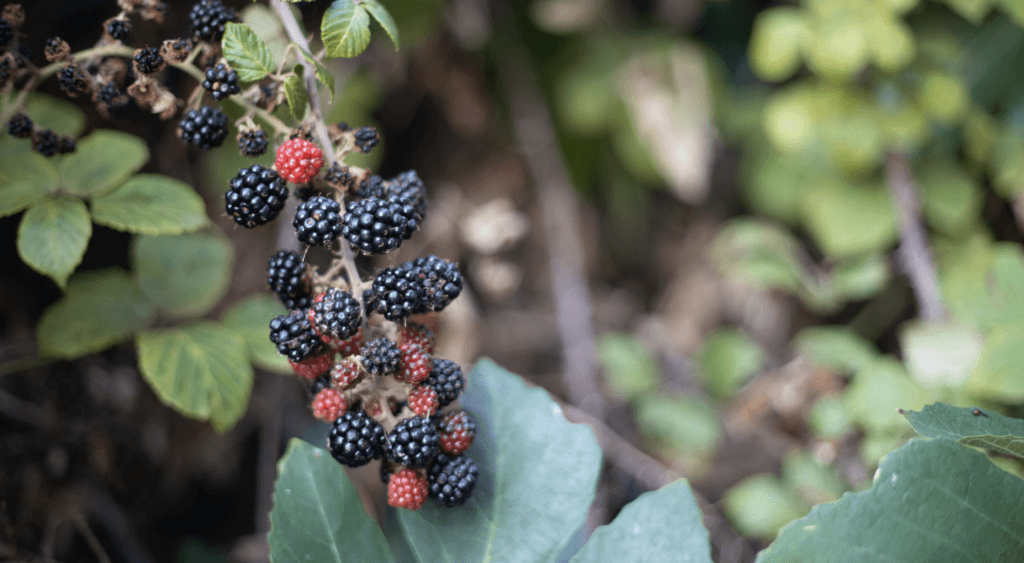
Wild blackberry bushes produce delicious fruit during the summer months.
The berries are easy to recognize when fully ripe.
Wear gloves when harvesting because the thorny canes can easily scratch exposed skin.
Avoid berries growing near busy roads or areas that may have been sprayed with herbicides.
6. Raspberries
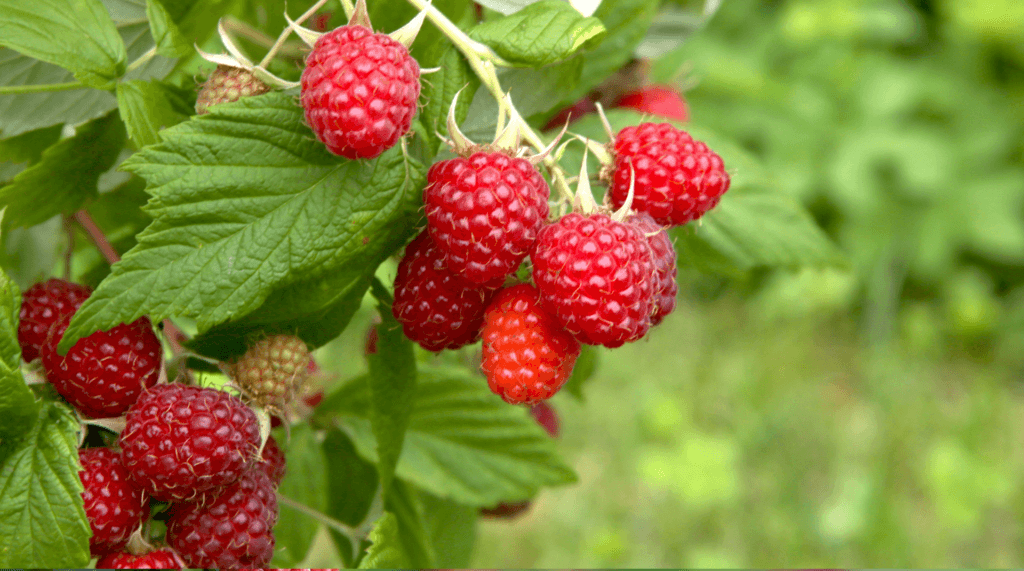
Wild raspberries are another beginner-friendly plant.
Their soft red berries are nutritious and easy to identify when ripe.
Like blackberries, they are best harvested from clean, natural areas.
7. Wild Onions
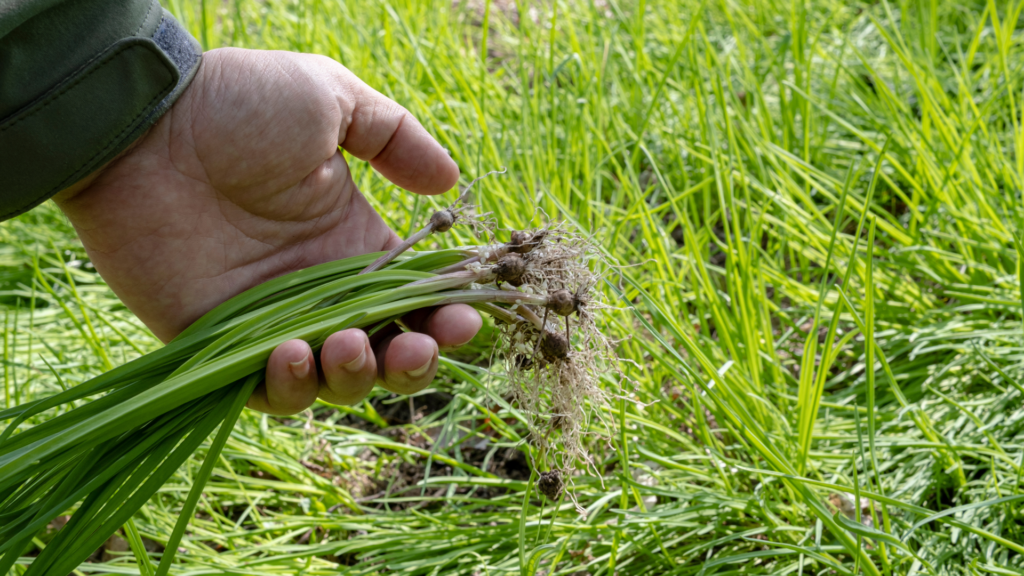
Wild onions grow throughout many parts of the United States.
Their unmistakable onion smell is one of the easiest ways to confirm identification.
If a plant looks like a wild onion but has no onion smell, do not eat it.
Several poisonous plants resemble wild onions but lack the characteristic odor.
8. Chickweed
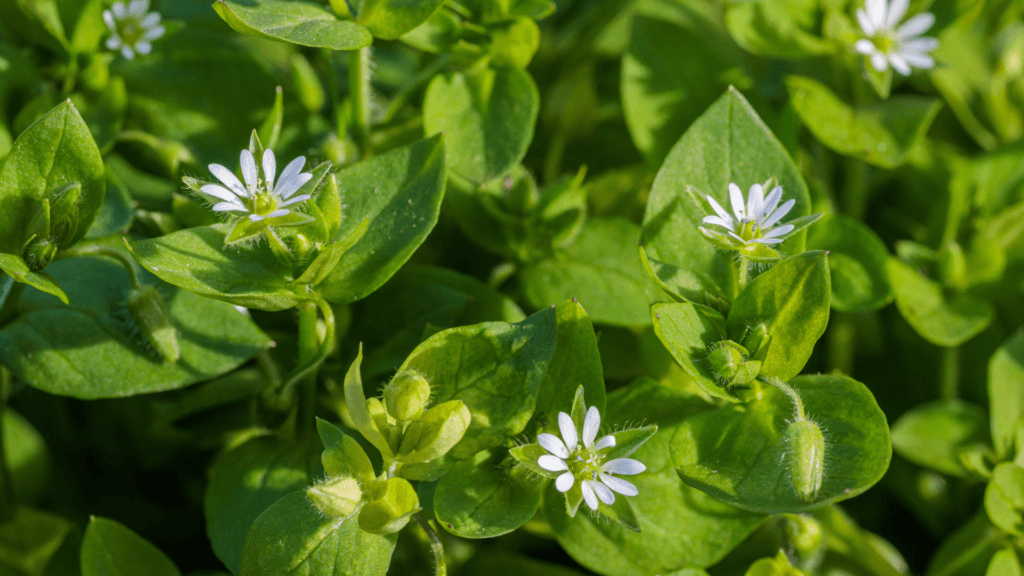
Chickweed is a tender green that appears during cooler months in many regions.
Its mild flavor makes it popular in salads, sandwiches, and soups.
Because it grows close to the ground, harvest only from clean areas free from pesticides and pet traffic.
9. Purslane
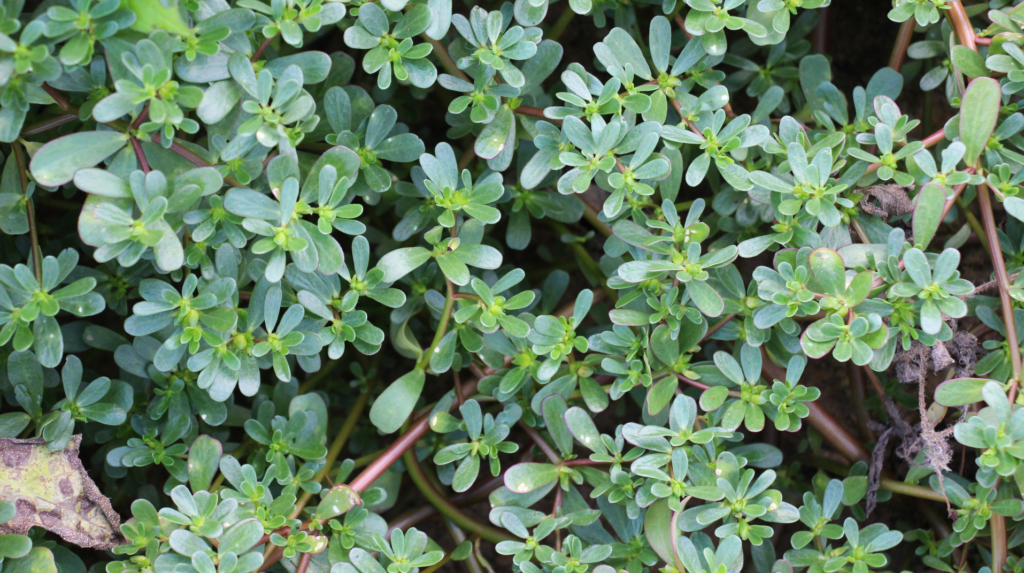
Purslane is a low-growing succulent that often appears in gardens, sidewalks, driveways, and disturbed soil. Its smooth, reddish stems and thick, spoon-shaped leaves make it relatively easy to recognize.
The leaves and stems are edible and have a mild, slightly lemony flavor. They can be eaten raw in salads or cooked in soups, stir-fries, and other dishes.
Purslane is also rich in vitamins, minerals, and heart-healthy omega-3 fatty acids, making it one of the most nutritious wild edible plants.
Be careful not to confuse purslane with spurge, a poisonous look-alike that produces a milky white sap when the stem is broken. True purslane does not produce milky sap.
Dangerous Look-Alikes: When in Doubt, Leave It Out
One of the biggest dangers in foraging is mistaking a poisonous plant for an edible one. Many toxic plants closely resemble common wild foods, making careful identification essential.
Never rely on a single characteristic when identifying a plant.
Instead, examine several features,
- including the leaves,
- flowers,
- stems,
- roots,
- seeds,
- and the way the plant grows.
Compare what you see with a trusted regional field guide or another reliable reference before harvesting.
Some of the most common dangerous look-alikes include:
Poison Hemlock
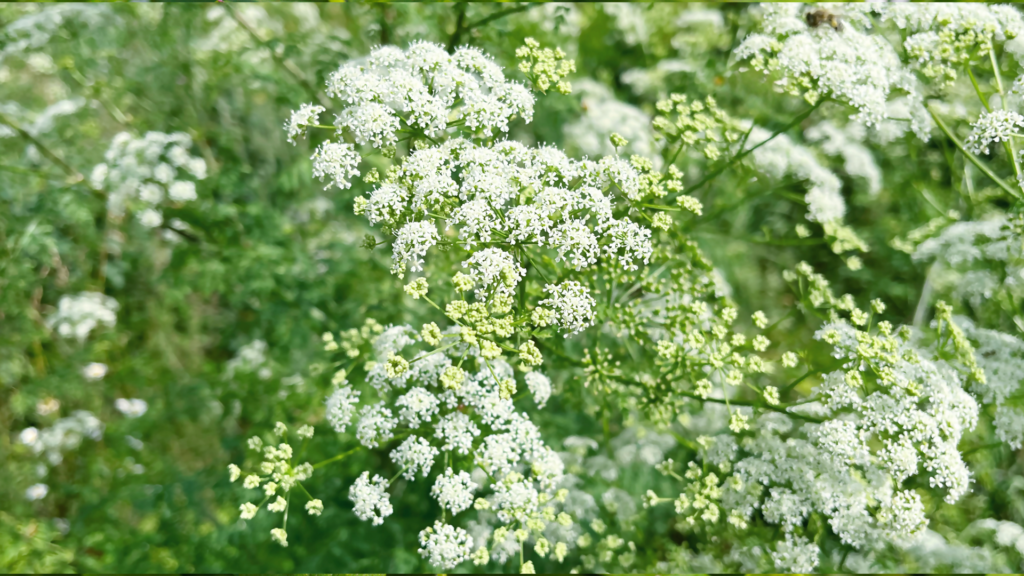
Poison hemlock resembles wild carrot (Queen Anne’s lace) but is highly toxic. Unlike wild carrots, poison hemlock has smooth, hollow stems with purple blotches and does not have the distinctive carrot smell when the root is broken.
Death Camas
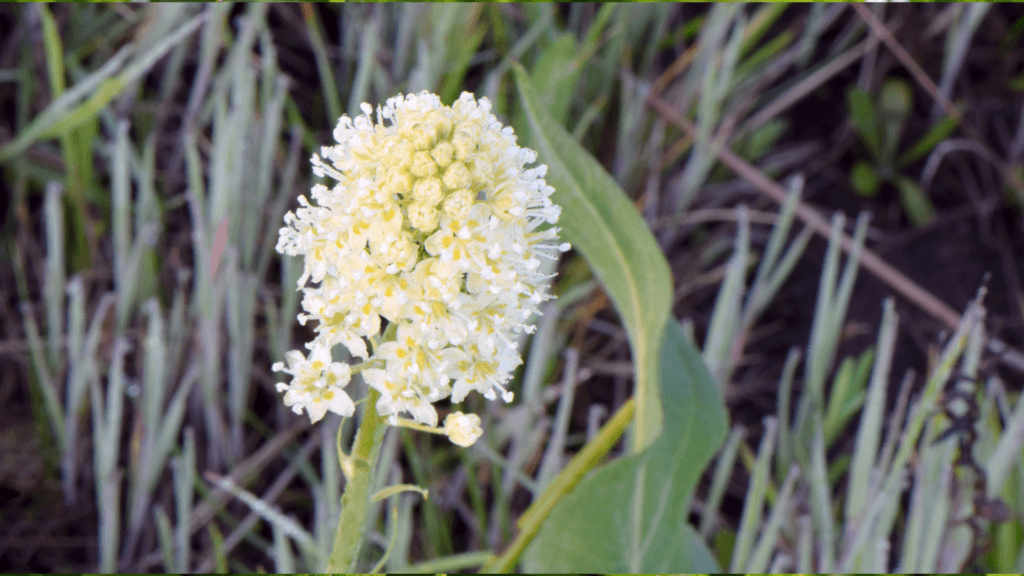
Death camas can resemble wild onions or wild garlic. The easiest way to tell them apart is the smell. Wild onions always have a strong onion or garlic odor. If the plant has no onion smell, do not eat it.
False Morel Mushrooms
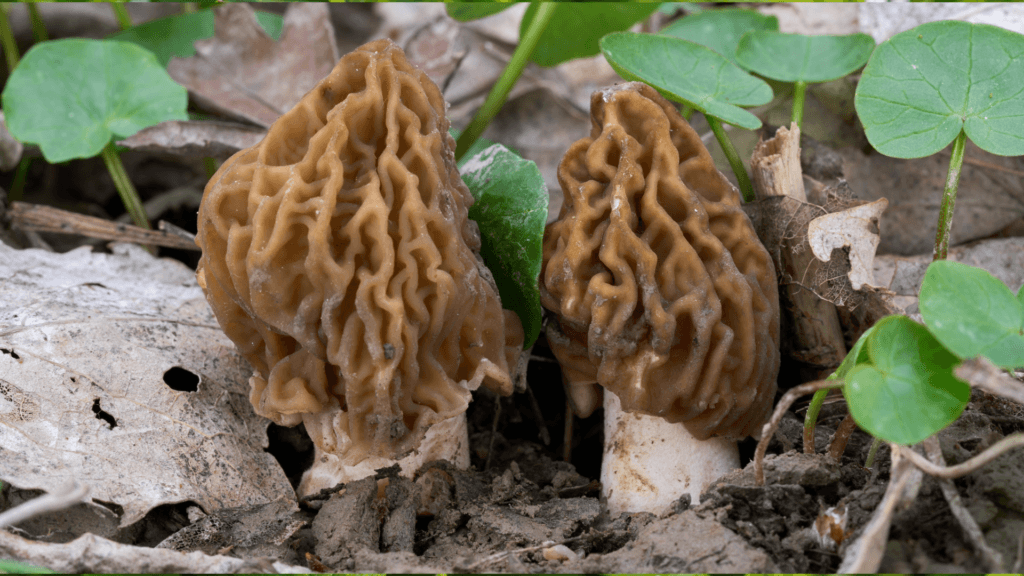
Many beginners mistake false morels for edible morels. Because mushroom identification requires specialized knowledge, beginners should avoid harvesting wild mushrooms until they receive proper training.
When you are uncertain about a plant’s identity, leave it where it is. Missing one meal is far safer than eating the wrong plant.
Is the Universal Edibility Test Really Safe?
You may have heard about the Universal Edibility Test in survival books or television shows. While it can be useful in an extreme life-or-death emergency, it should never be your primary method for deciding whether a plant is safe to eat.
The test involves checking each part of an unfamiliar plant for skin irritation or other reactions before eating a very small amount and waiting several hours for symptoms.
Although the process sounds systematic, it has important limitations. Some poisonous plants produce delayed reactions, while others can be harmful even in small quantities.
The safest approach is simple:
Only eat plants you can positively identify with confidence.
Knowledge is always a better survival tool than guessing.
Practice Safe Foraging Habits
Successful foraging begins long before you harvest your first plant.
Always collect plants from clean areas away from busy roads, industrial sites, railroad tracks, landfills, or fields treated with pesticides and herbicides. Plants growing in contaminated soil or water may absorb harmful chemicals.
Harvest only healthy-looking plants. Avoid plants that appear diseased, moldy, insect-infested, or damaged.
Bring a small basket or cloth bag that allows air to circulate around freshly picked plants. Plastic bags trap moisture and can cause delicate greens to spoil quickly.
Before eating any wild plant, wash it thoroughly to remove dirt, insects, and other contaminants.
Senior-Friendly Foraging Tips
Foraging should be enjoyable, not exhausting.
As we grow older, balance, endurance, and mobility may change. That doesn’t mean you have to stop enjoying the outdoors. It simply means planning your outings wisely.
Consider these safety tips:
- Wear sturdy shoes with good traction.
- Carry a walking stick if you need extra balance.
- Wear gloves when harvesting thorny or unfamiliar plants.
- Bring drinking water and stay hydrated.
- Protect yourself from ticks, mosquitoes, and poison ivy.
- Avoid climbing steep hills or walking on unstable ground.
- Tell someone where you are going if you plan to forage alone.
- Carry your cell phone in case of an emergency.
Choose locations that are easy to access rather than difficult backcountry areas.
Many edible plants grow along maintained trails, parks, and open fields.
Know What to Look For Each Season
Wild edible plants change throughout the year.
Understanding seasonal patterns makes foraging much easier.
Spring
Spring is one of the best seasons for beginners.
Look for:
- Dandelions
- Chickweed
- Plantain
- Wild onions
- Young cattail shoots
Summer
Summer brings:
- Blackberries
- Raspberries
- Mulberries
- Clover blossoms
- Edible flowers
Fall
Fall is an excellent time for:
- Acorns
- Hickory nuts
- Black walnuts
- Rose hips
- Late-season berries
Winter
Even during winter, experienced foragers may find:
- Pine needles for tea
- Evergreen needles from edible species
- Stored nuts
- Certain hardy greens in mild climates
Learning what grows during each season allows you to gradually expand your knowledge throughout the year.
Preparing Wild Foods Safely
Not every edible plant should be eaten raw.
Some wild foods become safer, more digestible, or more enjoyable after cooking.
Boiling, steaming, roasting, or sautéing can reduce bitterness and remove naturally occurring compounds that may upset your stomach.
Some plants, such as acorns, require additional preparation to remove tannins before they are suitable for eating.
Whenever you try a new edible plant for the first time, eat only a small amount. Even safe foods can cause allergic reactions or digestive discomfort in some people.
Pay attention to how your body responds before eating larger quantities.
Remember, foraging is about supplementing your food supply, not replacing balanced meals with unfamiliar plants.
Final Thoughts
Learning to forage safely is one of the most practical self-sufficiency skills you can develop. You do not need to memorize hundreds of plants to get started. By learning a handful of common, easy-to-identify edible plants and following safe harvesting practices, you can build confidence one step at a time.
Remember that foraging should supplement your emergency food storage, not replace it.
Continue building your pantry, growing some of your own food, and practicing your identification skills throughout the year.
Preparedness is built through knowledge and practice. Every new plant you learn today is another skill that can help you become more resilient tomorrow.
Trusted Preparedness Resources
Building food security means more than learning to forage. A well-rounded preparedness plan also includes long-term food storage, clean drinking water, cooking supplies, and emergency essentials. Explore these trusted preparedness companies to help strengthen your emergency pantry and self-reliance.
Trusted Preparedness Resources
Ready to strengthen your preparedness plan? These trusted companies offer emergency food, water storage, and disaster-readiness supplies to help you prepare for the unexpected.
✅ My Patriot Supply
✅ Emergency Essentials / BePrepared
Related Articles
- Edible Plant Identification for Senior Survivalists
- Survival Gardening Basics for Growing Your Own Food
- Emergency Food Storage Basics for Long-Term Preparedness
- Month 1: The Food Security Challenge
- How to Safely Handle and Consume Wild Edibles
This Guide is Part of Something Bigger
Preparedness works best when you build your skills one step at a time.
The 12 Months of Survival Prepper Challenges help seniors and families create a practical preparedness plan without becoming overwhelmed.
Comment Section
Have you ever tried foraging for wild edible plants? Which plants grow in your area, and have you successfully identified any of them? Do you have a favorite field guide or a helpful tip for beginners? Share your experiences and advice in the comments below. Your knowledge could help another Golden Survivalist build confidence and learn to forage safely.
FAQs
What are the easiest edible plants for beginners to identify?
Dandelions, plantain, clover, purslane, cattails, blackberries, raspberries, wild onions, and chickweed are among the easiest edible plants for beginners to learn. Always confirm identification before eating any wild plant.
Is foraging safe for beginners?
Yes, if you learn to identify plants correctly, harvest from clean locations, and never eat a plant unless you are completely certain it is safe.
What should I avoid when foraging?
Avoid plants growing near roads, industrial sites, railroad tracks, or areas treated with pesticides or herbicides. Never eat a plant you cannot positively identify.
Should I rely on foraging during an emergency?
No. Foraging should supplement your emergency food storage, not replace it. A stocked pantry remains your primary source of food during most emergencies.
What equipment do I need to begin foraging?
A regional field guide, comfortable walking shoes, gloves, a small basket or cloth bag, drinking water, and a cell phone are enough to get started safely.
Can seniors safely enjoy foraging?
Absolutely. Many seniors enjoy foraging as a way to stay active and learn about nature. Choose easy-to-access locations, wear proper footwear, stay hydrated, and avoid difficult terrain.