
Solar Flare Survival Planning for Seniors: Preparing for Grid and Communication Disruptions
This post may contain affiliate links. If you buy through them, I may earn a small commission at no extra cost to you.
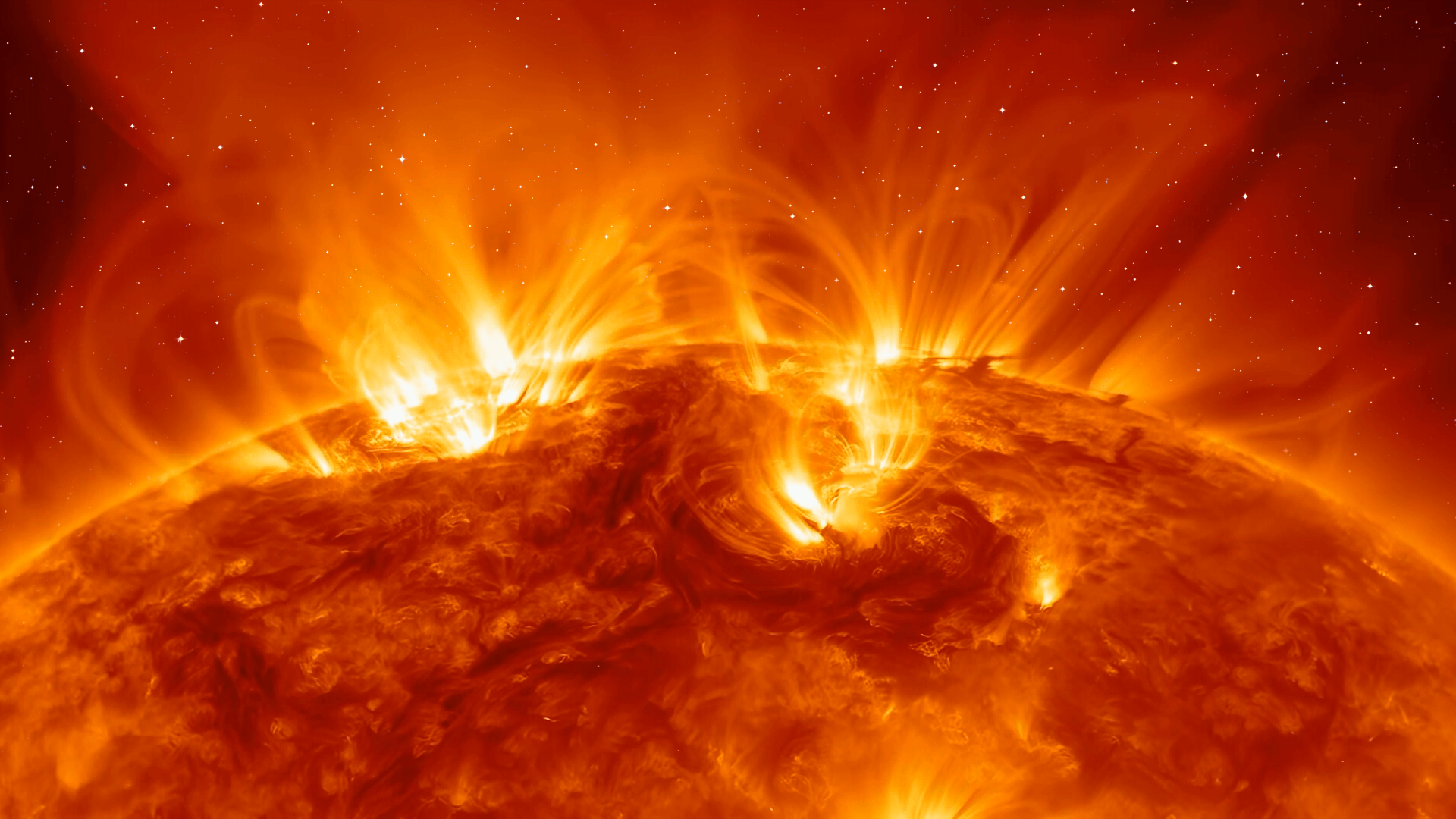
A solar flare doesn’t explode like a bomb or roar like a hurricane. It arrives silently from ninety-three million miles away — yet it can shut down power grids, communications, vehicles, and modern life in minutes.
For seniors, especially, losing electricity means more than inconvenience. Medications, medical devices, refrigeration, transportation, and communication all depend on power. Planning ahead turns a solar flare from a catastrophe into a manageable survival event.
Solar flare preparedness means preparing for a geomagnetic storm that can disrupt power grids, communications, and GPS systems. Seniors should plan for extended outages by storing water, shelf-stable food, backup medications, safe lighting, and protecting essential electronics using Faraday storage.
This guide is part of the Ultimate Disaster Survival Guide, where you can explore 29+ emergency scenarios seniors should prepare for to protect their safety, independence, and home. It will help you build a practical plan to survive an economic collapse — especially for those of us navigating our golden years.
Step 1: Solar Flare vs EMP: What Seniors Need to Know
A solar flare and an EMP both threaten electricity and electronics, but they are not the same event.
A solar flare comes from the sun. It creates a geomagnetic storm that can overload power grids across large regions or even entire continents.
An EMP (Electromagnetic Pulse) is usually caused by a nuclear detonation or specialized weapon. It creates an instant burst of electromagnetic energy that directly damages nearby electronics.
For seniors preparing at home, the result may look similar — loss of power, communications, and modern conveniences — but preparation priorities differ.
• Solar flares mainly damage large power infrastructure
• EMP events can destroy smaller electronics immediately
• Solar flare outages may last longer due to transformer damage
• EMP protection focuses more on shielding devices
Understanding the difference helps you prepare realistically rather than plan for the wrong threat.
Step 2: Protecting Your Home and Electronics
Solar flares can disrupt or damage electronics connected to the electrical grid, especially communication devices and backup equipment. Protecting radios, battery systems, and essential devices reduces risk during extended outages. Many of the same precautions used for solar flare preparedness also apply to electromagnetic pulse events. Learn practical protection strategies in our guide on how to prepare your home to protect seniors in an EMP or CME disaster .
Step 3: Prepare an Emergency Supply Kit
Severe solar storms can disrupt power grids and communication systems for extended periods. Preparing a supply kit helps you remain safe and comfortable if electricity and services are temporarily unavailable.
Plan to store at least 2 weeks’ worth of essential supplies.
Focus on practical necessities such as:
Lighting
Battery-powered lanterns, flashlights, spare batteries, or solar-powered lamps can provide reliable light during power outages.
Food
Keep shelf-stable foods that do not require refrigeration, such as canned goods, dried foods, and ready-to-eat meals.
Communication
A hand-crank or battery-powered radio allows you to receive emergency updates if phone networks and internet services are disrupted.
Health Supplies
Maintain extra prescription medications and a well-stocked first-aid kit in case medical services are delayed.
Because solar storms can damage sensitive electronics, some preparedness experts recommend storing small backup devices, such as radios or flashlights, in a Faraday container to help protect them from electromagnetic interference.
Review and refresh your emergency kit periodically to ensure supplies remain usable and ready when needed.
Step 4: Protect Essential Equipment and Systems
Solar storms and electromagnetic disturbances can damage or disable sensitive electronics. Taking steps to protect important devices helps maintain communication and basic functionality during extended outages.
Consider storing small electronic items such as radios, flashlights, and backup phones in Faraday bags or metal containers designed to reduce electromagnetic interference.
It is also wise to prepare manual alternatives in case digital systems stop working. Helpful backups include:
• manual can openers
• printed maps
• written contact lists
• battery-powered or hand-crank radios
If you use a generator, keep properly stabilized fuel stored safely and review safe operating procedures. During large-scale power disruptions, it may take time for electrical grids to fully recover.
For additional preparedness strategies, see our guide on how to prepare your home to protect seniors during an EMP or CME disaster.
Emergency planning should also include animals that depend on you. Power outages can affect feeding schedules, medication storage, and shelter conditions.
Learn practical planning steps in our guide on caring for senior pets during an EMP or CME disaster.
Step 5: Recover Safely When Power Returns
After a major solar storm or grid disruption, electricity may return unevenly. Sudden power surges can damage appliances and electronic equipment if everything is connected at once.
If possible, keep sensitive electronics unplugged until the power supply stabilizes.
During the outage, rely on basic navigation and planning tools such as printed maps, written directions, or a compass if digital systems are unavailable.
When electricity is restored, reconnect devices gradually. Plug in essential appliances first and test equipment one item at a time as the grid returns to normal operation.
For additional guidance, review our senior-focused guide to power outage recovery before reconnecting household systems.
Preparation makes recovery calmer and safer when services finally return.
FAQs
What happens during a solar flare?
A solar flare releases electromagnetic energy that can trigger geomagnetic storms capable of damaging satellites and electrical grids.
Can a solar flare really shut down the power grid?
Yes. Large coronal mass ejections can overload transformers and cause widespread, long-term blackouts affecting entire regions.
How long could power be out after a solar flare?
Recovery could take weeks or even months if major transformers are damaged.
What should seniors prepare first?
Medication backups, manual lighting, stored water, shelf-stable food, and non-electric communication tools.
Do solar flares damage all electronics?
Not always, but unprotected electronics connected to power systems are most vulnerable.
Final Thoughts
Solar flare preparedness does not end when the lights come back on. Safe recovery is just as important as survival during the outage, especially for seniors managing medications, refrigeration, and daily routines. Review our guide to power outage recovery for seniors before reconnecting systems after a grid failure.
Solar flares are only one of many disasters that can interrupt modern life.
Building readiness across multiple emergency scenarios strengthens long-term resilience. Explore the complete Ultimate Disaster Survival Guide to continue strengthening your preparedness plan.
Comments
What part of daily life would be hardest for you if the power grid went down for months — communication, food storage, or medical needs?
Share your thoughts below. Your experience may help another reader prepare before a disaster strikes.