
Gardening with Knee Pain: Tips for Seniors to Stay Active in the Garden
This post may contain affiliate links. If you buy through them, I may earn a small commission at no extra cost to you.

🌱 From My Garden
In 2018, I tore the meniscus in my right knee. After looking at the damage, my orthopedic surgeon told me I’d probably need a total knee replacement someday.
Thankfully, that day hasn’t come.
Regular exercise has helped me keep my knee strong enough that I’ve been able to avoid replacement surgery so far. I do walk around my 5 acres with my dog a few times a week. I still have days when my knee reminds me it’s there, especially after spending too much time kneeling or squatting in the garden, but I’ve learned how to work with it instead of against it.
I don’t write these articles because I read about them. I write them because I’ve lived them. Between multiple shoulder surgeries, two left shoulder replacements, chronic back pain, knee problems, and surgeries on my right hand for carpal tunnel syndrome and Dupuytren’s contracture, I’ve had to learn how to keep gardening without making my pain worse. The tips I share come from real experience, along with research and current gardening best practices.
Gardening has always been one of my favorite ways to stay active. Giving it up was never an option.
Instead, I changed how I garden.
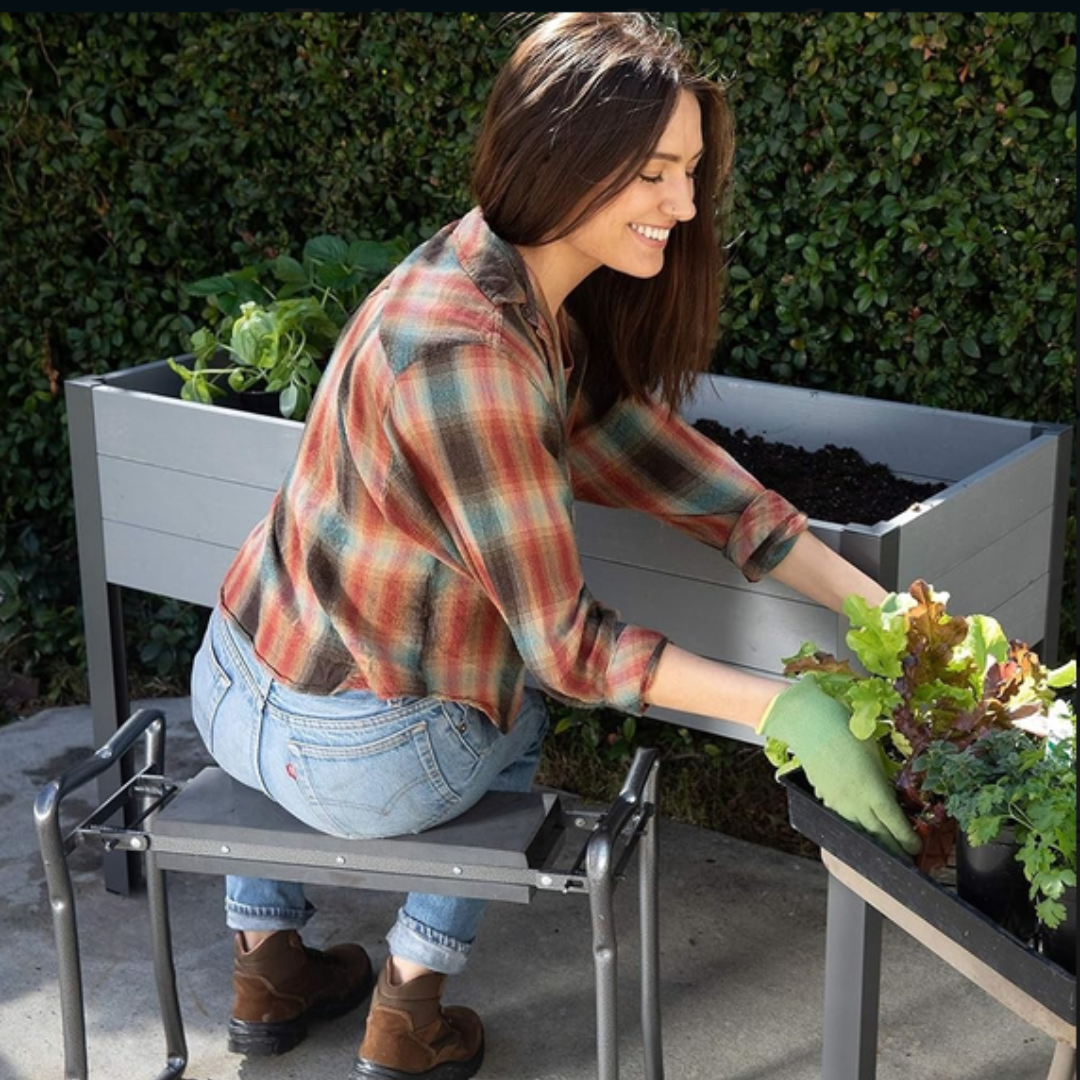
I quit trying to do everything in one afternoon. I started using raised beds whenever possible. I traded some of my old tools for longer-handled versions and learned that sitting on a rolling garden seat beats crawling around on sore knees.
Those simple changes have allowed me to keep growing vegetables, herbs, and flowers without paying for it the next morning.
If knee pain has been slowing you down, I hope these ideas help you stay in the garden doing what you love.
Gardening with Knee Pain Doesn’t Mean Giving Up
Knee pain is one of the most common complaints among older gardeners.
Years of walking, climbing stairs, sports injuries (like riding horses all my life), arthritis, or previous surgeries eventually catch up with many of us. Gardening, while wonderful for both physical and mental health, can make those problems worse if we’re constantly kneeling, squatting, twisting, and carrying heavy loads.
The good news is that you don’t have to stop gardening.
In many cases, you simply need to garden differently.
Small changes in the way you work can dramatically reduce stress on your knees while allowing you to continue enjoying your garden for years to come.
Healthy Knees Mean More Years in the Garden
Protecting your knees isn’t about doing less.
It’s about finding smarter ways to do the things you enjoy.
Raised beds, supportive tools, shorter gardening sessions, and good body mechanics can help reduce pain while keeping you active, independent, and growing your own food.
Why Gardening Can Be Tough on Your Knees
Think about how many times you kneel down, squat, stand back up, and bend over during a typical afternoon in the garden.
Now multiply that by dozens—or even hundreds—of times.
It’s no wonder our knees complain.
Every trip from standing to kneeling places extra pressure on the knee joint. Add uneven ground, heavy watering cans, bags of mulch, and hours of weeding, and it’s easy to see why so many gardeners end the day limping back to the house.
I learned that the hard way.
There were times I’d tell myself, “Just one more vegetable bed,” “get that new tomato plant in”, or “I’ll finish this row before I quit.”
The next morning, my knee always reminded me that was a bad decision.
One of the best lessons I’ve learned is to stop before my knee starts hurting, not after.
It’s much easier to spend four comfortable thirty-minute sessions in the garden than one painful three-hour marathon.
The garden will still be there tomorrow.
And if you’re like me, you’ll enjoy it a lot more when you’re able to walk back outside without dreading the pain.
Raised Beds Changed the Way I Garden
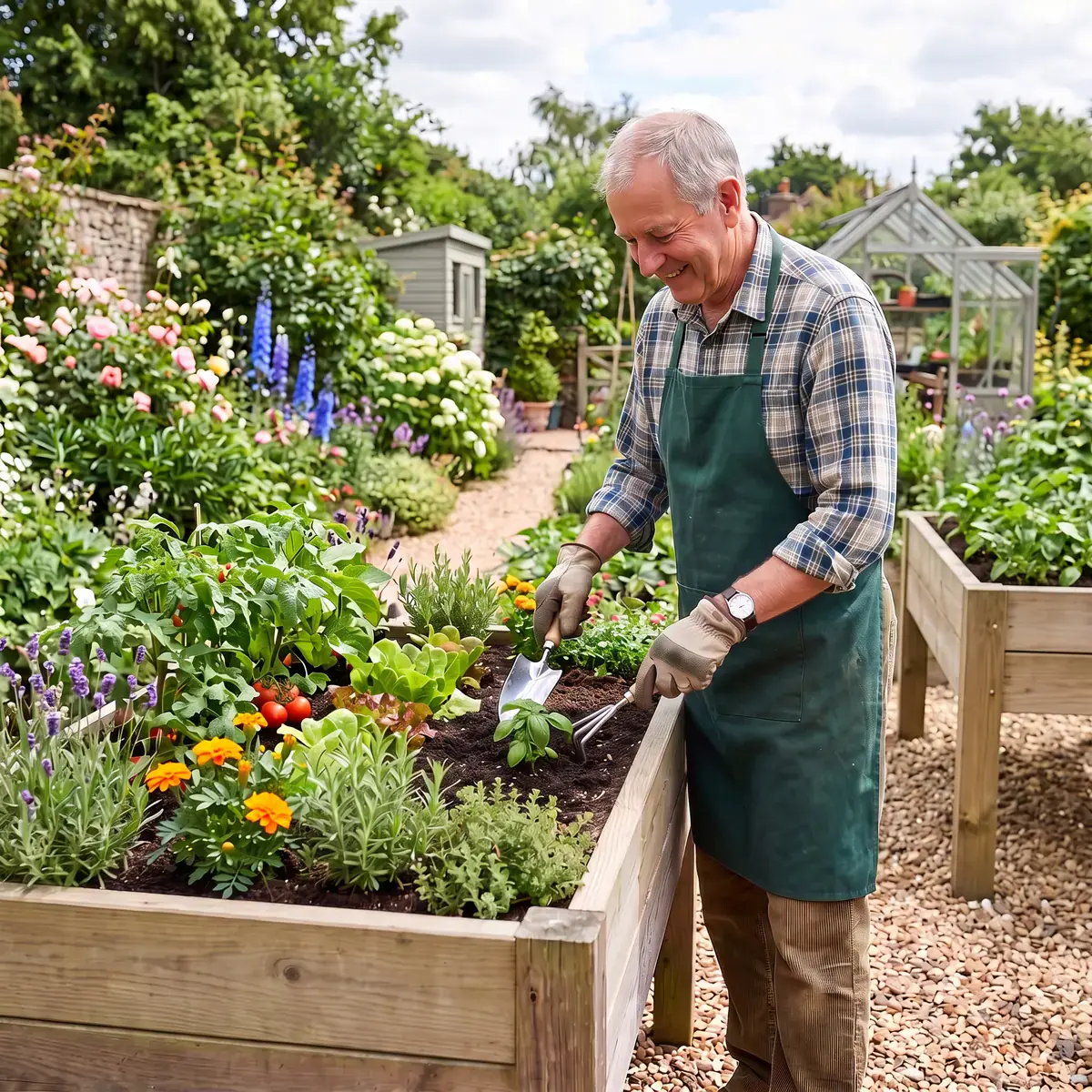
If there’s one improvement I’d recommend to gardeners with knee pain, it’s raised beds.
They reduce the amount of kneeling, squatting, and bending that traditional gardens require.
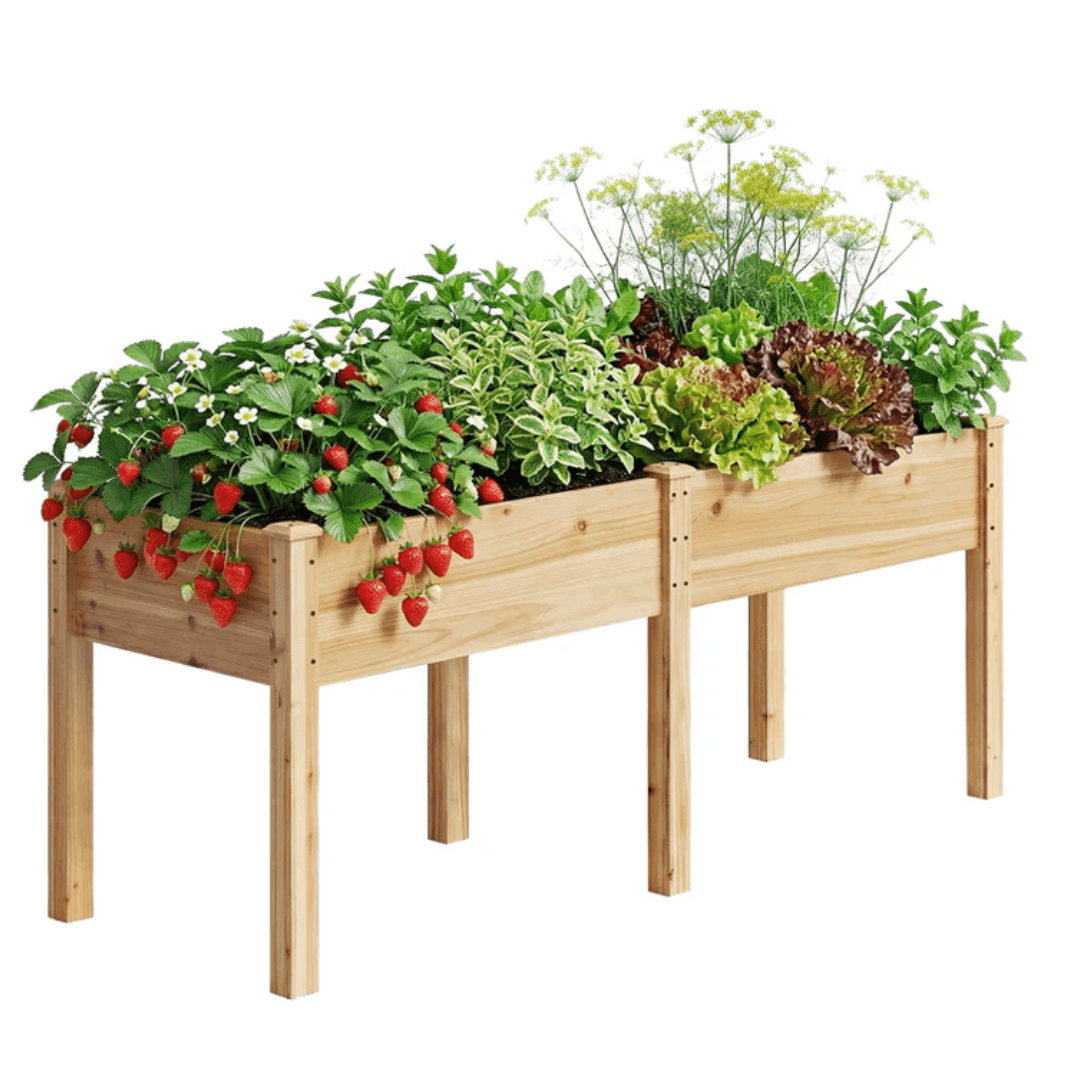
Waist-high raised beds are even better because many gardening tasks can be done while standing comfortably.
You’ll spend more time tending your plants and less time trying to get up off the ground.
Raised beds also make it easier to:
- Control weeds
- Improve soil quality
- Harvest vegetables
- Reduce back strain
- Reach plants comfortably
- Keep pathways safer and cleaner
For me, raised beds weren’t just a convenience.
They became one of the reasons I could continue gardening despite my knee injury.
Sometimes the best gardening investment isn’t another plant.
It’s something that helps you keep gardening in the first place.
Use the Right Tools to Save Your Knees
One of the biggest lessons I’ve learned is that the right tool can save a lot of pain.
Years ago, I’d grab whatever shovel, trowel, or hoe happened to be nearby. Today, I’m much pickier because I know my knees will remind me if I make the wrong choice.
A few well-designed gardening tools can reduce kneeling, squatting, and repeated trips across the yard.
Long-handled cultivators, weeders, and hoes let you work while standing instead of crouching on the ground. A lightweight garden cart makes hauling bags of soil, mulch, or plants much easier than carrying everything by hand.
I also keep a five-gallon bucket and a foot stool nearby for small jobs. It gives me a place to sit when I need a break, carries tools around the garden, and saves countless trips back to the shed.
Working smarter isn’t being lazy.
It’s making sure you’ll still be gardening tomorrow.
Rolling Garden Seats and Kneeling Benches
Even with raised beds, there are times when you still need to work close to the ground.
That’s where a rolling garden seat or a kneeling bench can make a huge difference.
Rolling seats let you move along flower beds or garden rows without constantly standing up and kneeling back down.
A kneeling bench provides thick padding for your knees and sturdy handles that help you push yourself back to a standing position.
If getting up from the ground has become difficult, this may be one of the best gardening purchases you’ll ever make.
Don’t think of it as “giving in.”
Think of it as giving yourself more years in the garden.
Don’t Be Afraid of Container Gardening
Some gardeners believe container gardening is somehow “less than” growing directly in the ground.
I couldn’t disagree more.
Containers make gardening accessible when knee pain makes traditional gardening difficult.
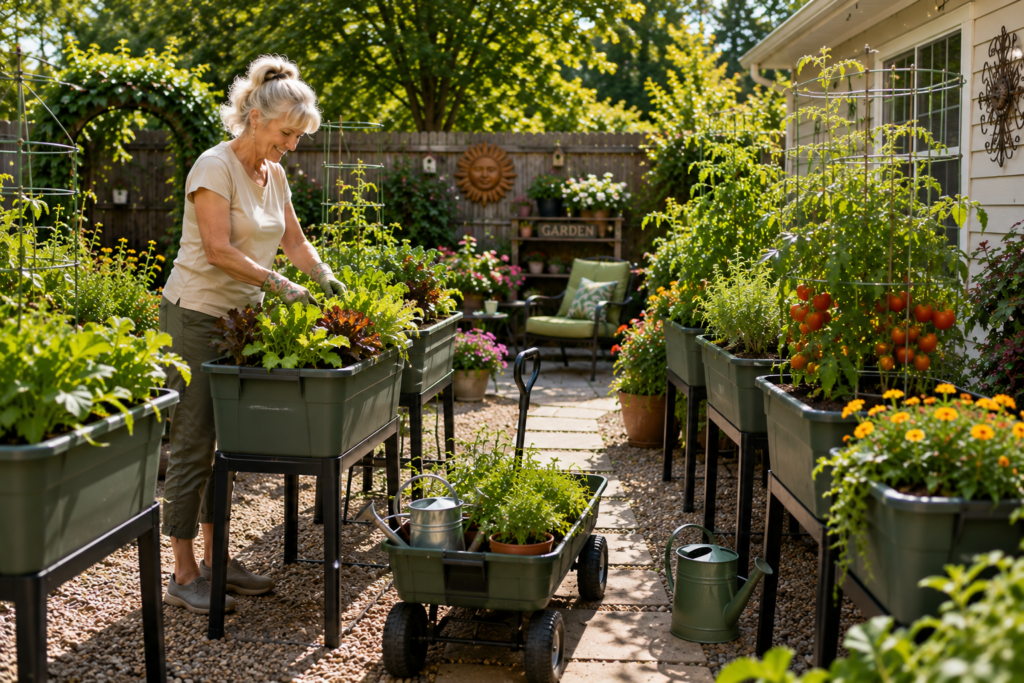
Large pots, elevated planters, and self-watering containers bring plants closer to a comfortable working height. They’re perfect for herbs, lettuce, peppers, tomatoes, strawberries, and many flowers.
Better yet, you can arrange containers where they’re easiest to reach instead of hiking all over the yard.
The easier gardening becomes, the more likely you’ll keep doing it.
Wear Shoes That Love Your Knees
I used to think gardening shoes were just meant to keep dirt off my feet.
Now I know they’re doing much more than that.
Supportive shoes help absorb shock every time you take a step across uneven ground. Good cushioning can reduce stress not only on your feet but also on your knees, hips, and lower back.
Avoid worn-out sneakers that have lost their support.
A quality pair of gardening shoes or supportive walking shoes can make a surprising difference after several hours outside.
🌿 Trusted Gardening Resources
Enjoying your garden is easier when you have the right tools. These trusted gardening products can help reduce strain on your shoulders, protect your joints, and make everyday gardening tasks safer and more comfortable.
Whether you’re dealing with arthritis, recovering from surgery, or simply looking for easier ways to garden, these are products worth considering.
✅ My Patriot Supply
✅ Emergency Essentials / BePrepared
Lift Less Than You Think You Can
This one took me a while to learn.
Just because I can lift a forty-pound bag of potting soil doesn’t mean I should.
Heavy lifting puts extra pressure on sore knees, especially when you’re twisting or carrying awkward loads.
Today, I’d rather make two easy trips than one painful one.
Smaller bags of soil are easier to handle. A garden wagon saves unnecessary carrying. When something is simply too heavy, I don’t hesitate to ask for help.
There’s no prize for doing everything yourself.
There is, however, a reward for being able to walk comfortably the next day.
Pace Yourself
When the weather is nice, it’s tempting to spend the entire day outside.
I’ve done it.
I’ve also paid for it.
Now I work in shorter sessions and take breaks before my knees start complaining.
Sometimes I’ll water a few containers, come inside for a while, then head back out later to pull weeds or harvest vegetables. Or, I’ll get in the pool and get my long hair/pony-tail wet and let it drip down my back to keep me cool.
Everything still gets done.
It just gets done without turning gardening into a painful experience.
Listening to your body isn’t quitting.
It’s planning ahead.
A Little Stretching Goes a Long Way
Before heading into the garden, I spend a few minutes loosening up.
Nothing fancy.
Just gentle movements to warm up my legs, knees, hips, and ankles. Water-walking in the pool, also helps get me going.
After gardening, I do the same thing.
It only takes a few minutes, but it helps reduce stiffness later in the day.
If you already have exercises recommended by your doctor or physical therapist, those are usually the best place to start.
Listen to What Your Knees Are Telling You
Pain is information.
Some soreness after a productive afternoon is one thing.
Sharp pain, swelling, or a knee that feels unstable is something entirely different. You need to stop here and rest!
Ignoring those warning signs usually doesn’t make them disappear.
It usually makes tomorrow worse.
I’ve learned it’s much better to stop early, rest, and come back another day than to push through pain just because I wanted to finish one more project.
The weeds can wait.
Your knees can’t.
Why This Matters for Preparedness
Gardening is about more than growing tomatoes or pretty flowers.
For many of us, it’s part of becoming more self-reliant.
Every basket of fresh vegetables you harvest is food you don’t have to buy. Every herb you grow is one less trip to the grocery store.
During emergencies, supply shortages, or rising food prices, those skills become even more valuable.
That’s why protecting your knees matters.
The healthier and more mobile you remain, the longer you’ll be able to grow your own food and care for your property.
Preparedness isn’t just about having supplies.
It’s about keeping yourself healthy enough to use them.
Products That May Make Gardening Easier
Consider adding a few senior-friendly tools that can reduce stress on your knees:
- Rolling garden seat
- Kneeling bench with support handles
- Waist-high raised garden beds
- Long-handled weeder
- Long-handled cultivator
- Garden wagon or utility cart
- Self-watering elevated planter
- Cushioned gardening gloves
- Lightweight watering wand
My Favorite Tools for Easier, Safer Gardening
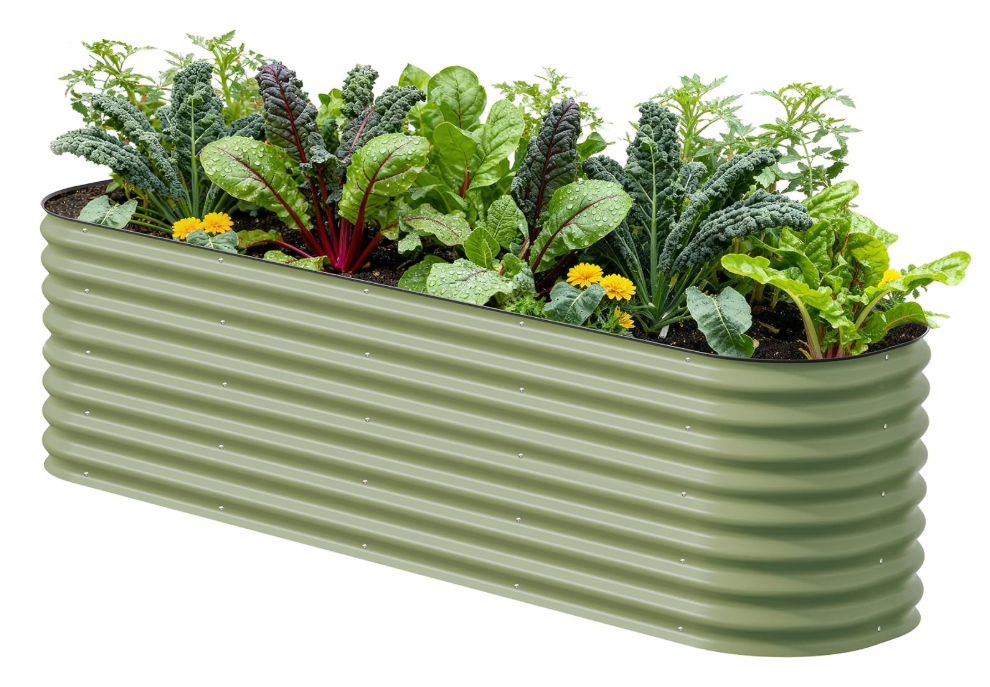
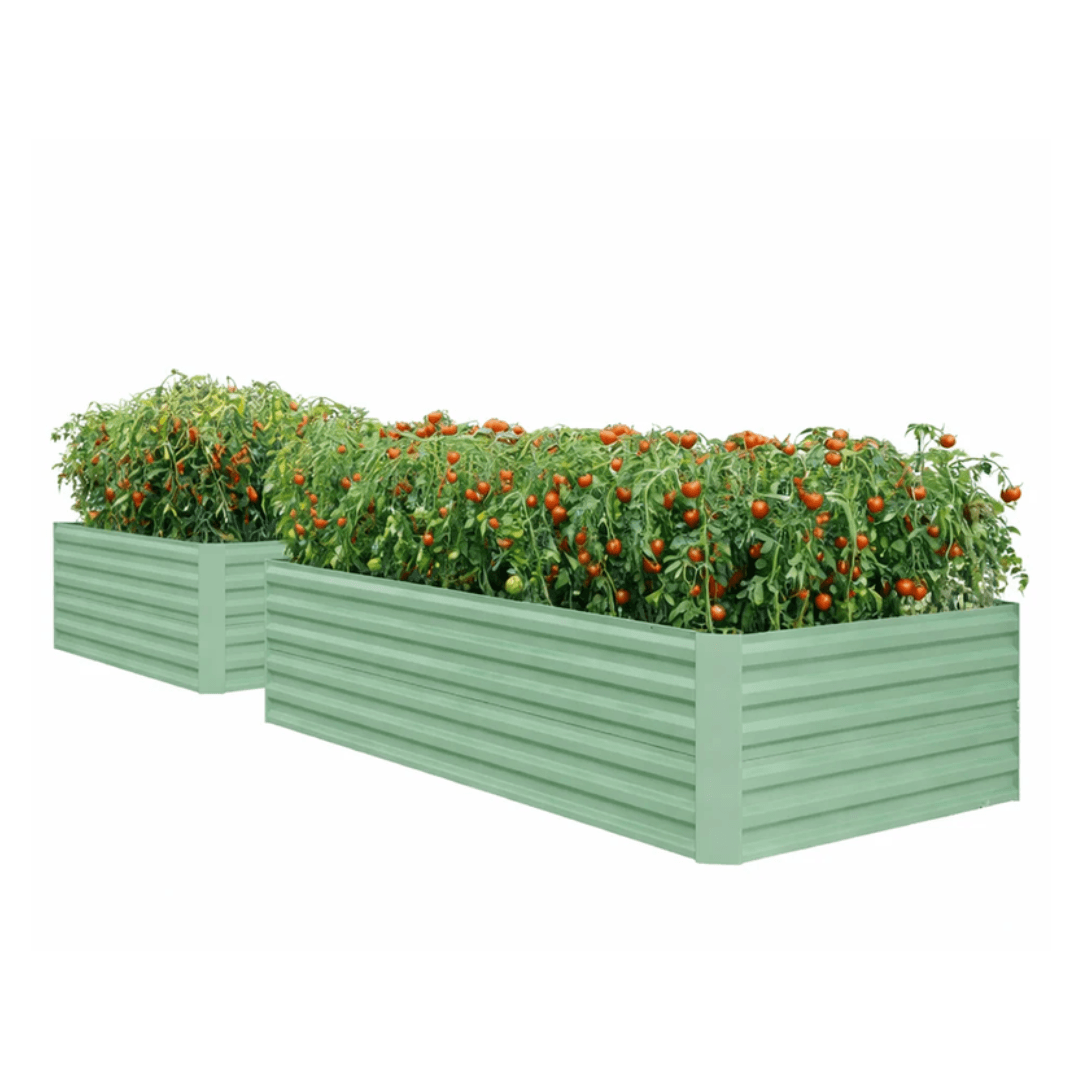
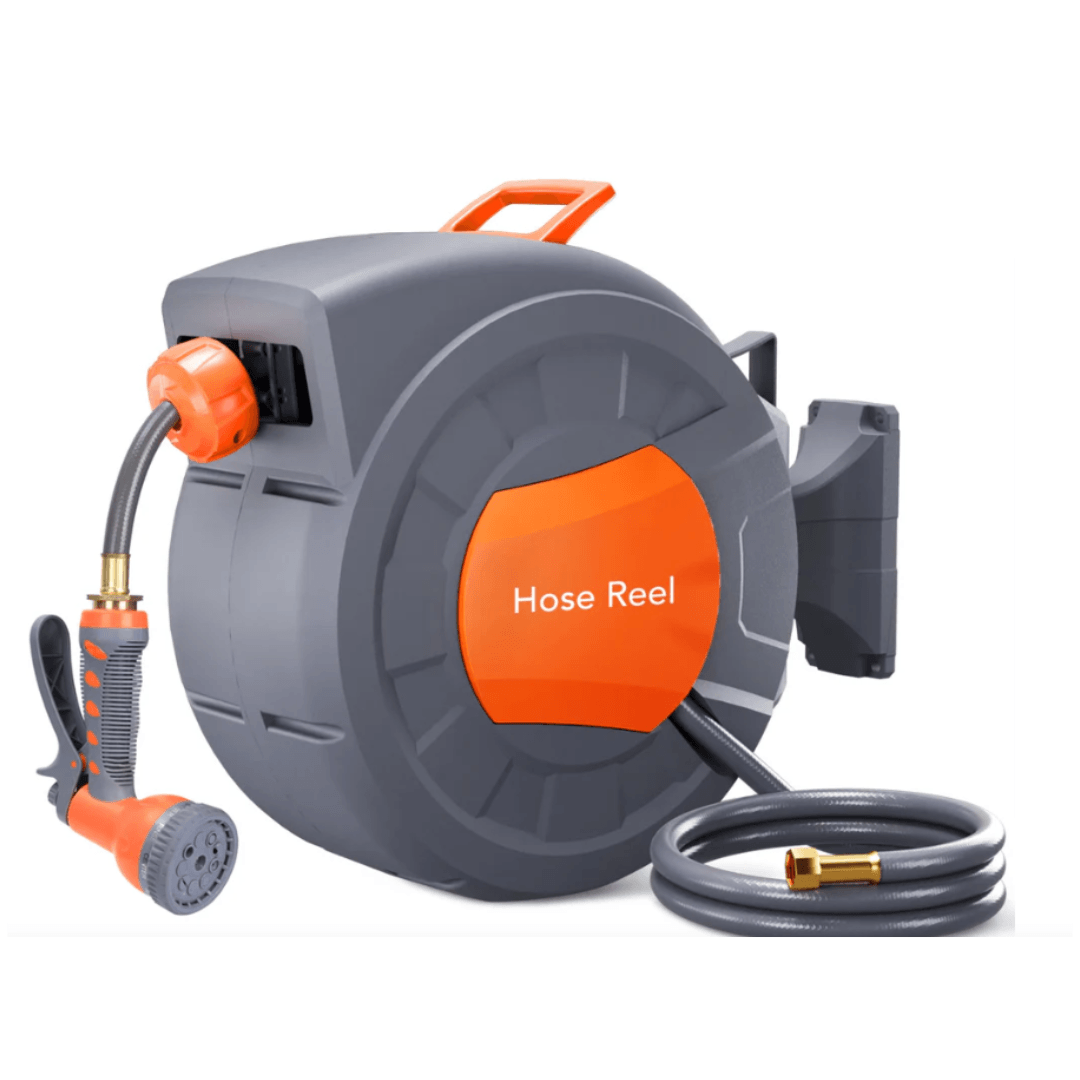
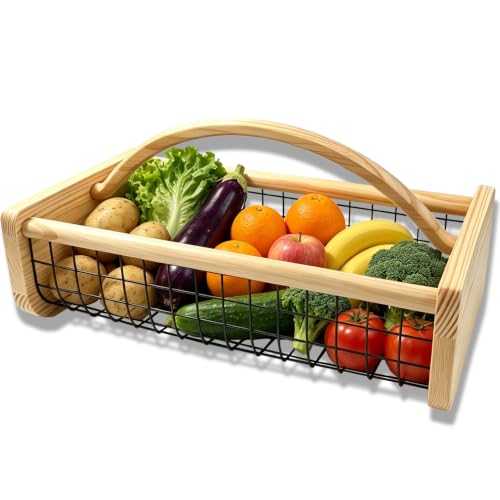
Gardening should not leave you hurting for days. I put together this collection of senior-friendly gardening tools, raised planters, and helpful accessories. I own and use several of them myself, while others were chosen because they may reduce bending, lifting, gripping, and reaching.
Select any image below to see the product details.







🌱 Continue the Gardening without Pain Series
Every gardener faces different physical challenges, but that doesn’t mean giving up a hobby you love.
Explore the rest of the Gardening without Pain series for practical tips on adapting your garden, protecting your joints, and staying active for years to come.
Related Articles:
- Gardening with Shoulder Pain
- Gardening with Back Pain
- Gardening with Knee Pain
- Gardening with Hip Pain
- Gardening with Weak Hands
- Gardening with Arthritis
- Gardening after a Stroke
- Gardening with Sciatica
- Gardening with Limited Mobility
- Gardening with Parkinson’s Disease
Frequently Asked Questions
Is gardening good exercise if you have knee pain?
Yes, gardening can be excellent low-impact exercise when you use proper techniques, avoid overdoing it, and take frequent breaks.
Are raised beds worth the investment?
Absolutely. Raised beds reduce kneeling, bending, and squatting while making gardening more comfortable for many seniors.
Should I wear a knee brace while gardening?
Some gardeners find knee braces helpful, but it’s best to follow your doctor’s recommendation based on your specific condition.
What’s the best way to avoid knee pain after gardening?
Work in shorter sessions, use supportive tools, avoid heavy lifting, and stop before your knees become painful.
What About You?
Have knee-friendly gardening tips that work well for you? I’d love to hear them. Leave a comment below and share your favorite ways to keep gardening despite knee pain. Your experience may help another gardener stay active and enjoy the hobby we all love.