
Four-Season Gardening for Seniors: Grow at Your Own Pace
This post may contain affiliate links. If you buy through them, I may earn a small commission at no extra cost to you.

🌱 From My Garden
I know how frustrating it is when gardening leaves you sore for days.
I don’t write these articles because I read about them. I write them because I’ve lived them. Between multiple shoulder surgeries, including two left shoulder replacements, chronic back pain, knee surgery, and surgeries on my right hand for carpal tunnel syndrome and Dupuytren’s contracture, and most recently, breast cancer surgeries, I’ve had to learn how to keep gardening without making my pain worse.
The tips I share come from real experience, along with research and current gardening best practices. My goal is simple: help you keep gardening safely, comfortably, and for many years to come.
Four-season gardening for seniors can be as simple as changing what you grow as the weather changes. Spring might bring lettuce, summer might bring beans, and fall might offer another small planting. Winter may mean an indoor herb pot, protected greens, or time to plan the next season.
You do not need a heated greenhouse or a garden that produces every week. You need a plan that fits your local conditions, your available space, and the amount of work you can comfortably manage.
I want gardening to remain something to enjoy. Living in Florida, I can garden year-around. I especially look forward to the greens in Winter. A longer gardening season should not become a longer list of chores. Start with one useful change, keep the work within reach, and give yourself permission to rest when your body or the weather calls for it
TL;DR for Seniors
Four-season gardening means adjusting your garden through the year. In some places, that includes outdoor winter crops. Elsewhere, indoor growing, stored harvests, and planning keep the garden useful while outdoor beds rest.
🌿 Key Points:
✅ Follow local planting guidance rather than a universal calendar.
✅ Start small: one bed, a few containers, or a small indoor growing area.
✅ Choose seasonal crops and foods you actually eat.
✅ Use frost covers for limited protection, not a guarantee against freezing.
✅ Give indoor herbs and greens enough light, drainage, and easy access.
✅ Leave room for rest, bad weather, and changes in your energy.
🌻 Takeaway: A useful four-season garden fits your life. It does not require fresh outdoor harvests in every season.
Tip 1: Let Your Climate Set the Calendar
The first question is not what month it is. Ask what growing conditions are arriving. A northern garden may face frozen ground while a mild-winter garden is entering its best lettuce season. A hot, dry garden may need a summer pause instead of a winter one.
Find a vegetable planting calendar from your local extension service. Check typical frost dates where frost occurs, suitable planting windows, and the crop’s soil-temperature needs. Average frost dates are planning guides, not promises about this year’s weather.
Your USDA hardiness zone describes average annual extreme winter minimum temperatures. It helps with perennial plant selection, but it does not supply a complete vegetable planting schedule. Two gardens in the same zone can have different summer heat, rainfall, and growing windows.
Think of your year in four parts: a cooler growing period, a warmer growing period, a transition, and a quieter period. Those parts do not have to match someone else’s calendar. Write your own planting windows beside the crops you want to grow.
Tip 2: Choose One Manageable Growing Area
Before buying seeds, choose an area you can reach, water, and check without a major effort. One short raised bed or a few containers near the house can teach you more than a large garden you struggle to maintain.
Look at access in different weather. A comfortable path in summer may become muddy after rain. A bed near the house may lose winter sunlight behind a building. Place supplies where you can reach them without carrying heavy loads across the yard.
Keep frequently harvested crops near the edge. Choose a working height that suits your body, with room for your feet, seat, walker, or wheelchair as needed. A taller bed helps some gardeners but is not automatically the right fit for everyone.
Draw a simple map with space for the current crop and the next one. Keep enough room to remove finished plants without damaging their neighbors. If you are starting from scratch, use Planning Your First Senior-Friendly Vegetable Garden to get the basic layout working first.
Tip 3: Begin Spring without Rushing
After a quiet winter, it is tempting to do everything on the first pleasant day. Divide the opening work into separate visits: inspect the bed, gather supplies, prepare one section, and plant when the conditions suit the crop.
Cool-season options often include lettuce, radishes, peas, and spinach. Their planting dates still depend on your region and variety. Warm-season vegetables such as tomatoes, peppers, and beans need suitable warmth. One sunny afternoon does not mean the soil or overnight temperatures are ready.
If you start seedlings indoors, follow the seed packet and local guidance for timing. Gradually introduce indoor-grown plants to outdoor light and wind before leaving them outside. Start only the number you can comfortably transplant and care for.
Buying a few healthy transplants is also reasonable. Seed starting is optional, especially if trays, lights, and daily monitoring would add too much work. Leave extra plants at the garden center rather than feeling obliged to find room for them later.
Tip 4: Make Summer Easier to Maintain
Choose summer crops for your climate and your meals. Bush beans, a compact pepper plant, or a manageable tomato variety may fit better than sprawling crops that block paths or demand constant tying. Read mature size and support requirements before planting.
In very hot regions, summer may be the hardest growing period. Even warm-season crops have limits. Ask your extension service about locally adapted varieties and whether a smaller planting or a seasonal pause makes more sense.
The UF/IFAS Florida Vegetable Gardening Guide shows how planting dates change across different parts of one state. Readers elsewhere should use their own regional calendar rather than copying Florida’s dates.
Make watering easy to check. Put the hose connection within comfortable reach and keep hoses out of walking routes. If you use drip irrigation or a timer, inspect the system instead of assuming it is working. Containers still need regular moisture checks.
Split harvesting, watering, and weeding into separate tasks when needed. Choose a cooler, comfortable time to work, and skip outdoor chores during unsafe weather. See How to Pace Yourself While Gardening for ways to set a stopping point.
Tip 5: Plan Fall Crops before Summer Ends
Fall planting often begins while the weather still feels like summer. Waiting for cool afternoons can leave too little growing time, especially where frost and short days arrive early.
Choose a crop, check its days to maturity, and work backward from a locally recommended harvest window. Confirm whether the seed supplier counts from direct sowing or transplanting. Allow for slower growth as temperatures and daylight decline. A packet’s number is an estimate, not a guaranteed harvest date.
University of Maryland Extension’s fall gardening guide explains timing, crop choices, and overwintering. Use the planning method with your own region’s dates. Quick crops such as radishes or baby greens may be more manageable than vegetables needing a long season.
Clear one small space as an earlier crop finishes. Replant only what you can keep watered during establishment. Make a note of the date and variety so next year’s decision is easier.
In a mild-winter climate, this planting may continue into winter. In a colder climate, it may supply a final harvest before the bed rests.
Tip 6: Use Simple Frost Protection
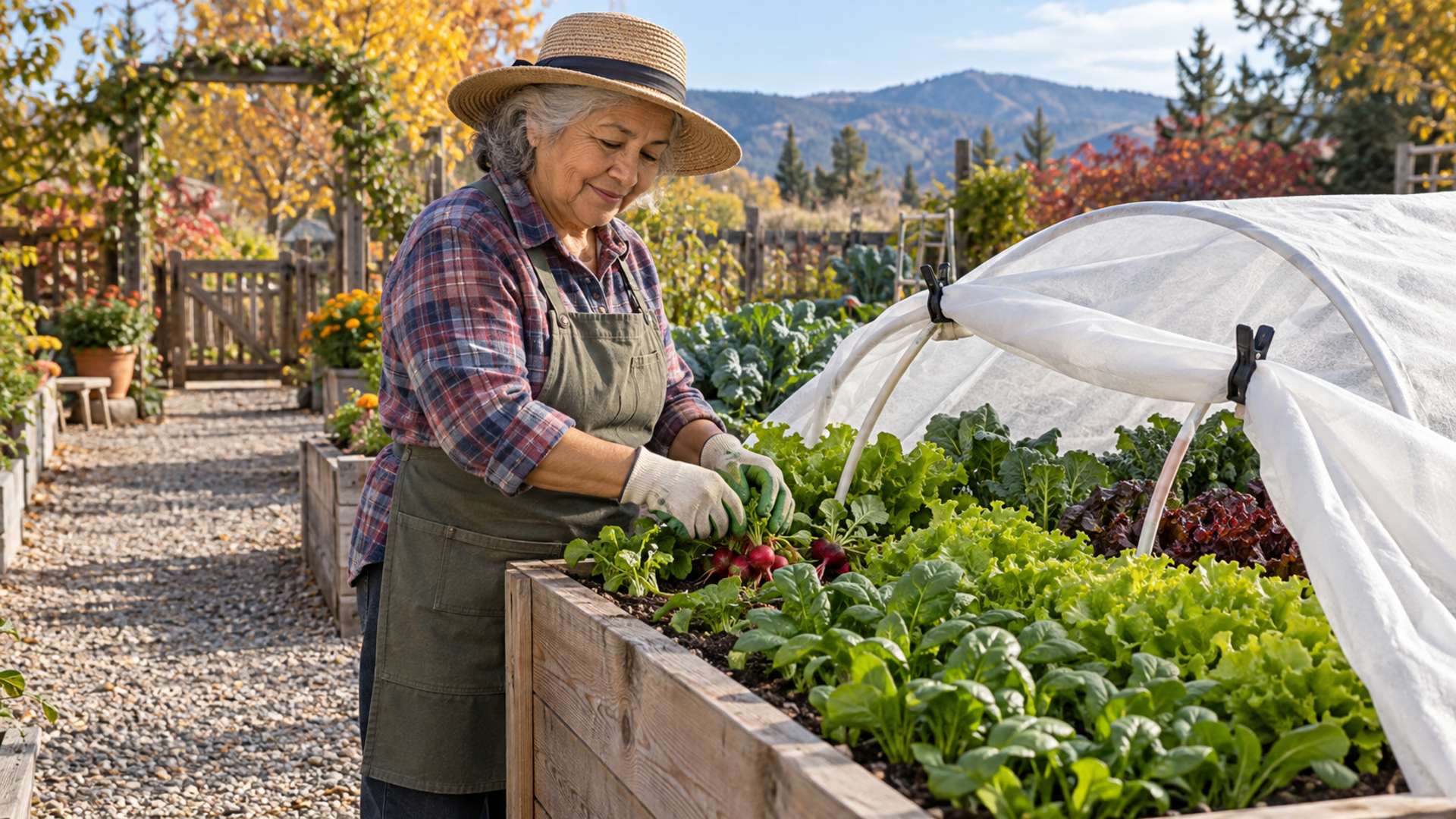
A small fabric row cover over one reachable bed is a practical place to begin. Choose material labeled for frost protection; lightweight insect netting is not an equivalent substitute. The protection varies with the fabric, installation, crop, wind, and duration of cold.
Set up supports and fastenings before a cold evening arrives. Secure the cover’s edges as directed, and keep anchors out of the walking route. Use supports where needed to avoid crushing tender plants. Leave yourself an opening you can manage without bending across the entire bed.
Check beneath covers regularly. Plants still need moisture and adequate light, and covered spaces can become too warm on sunny days. Remove or vent protection as conditions require. Crops that need insect pollination also need access for pollinators when flowering.
For fabric choices and use, see University of Maryland Extension’s weather protection guide. Harvest vulnerable crops ahead of severe cold rather than relying on a cover to save everything.
Practice opening and securing your cover in daylight. If the fasteners are difficult for your hands, simplify the arrangement or ask for help before a forecast becomes urgent. Keep the protected area small enough that covering it remains an easy task.
Tip 7: Decide What Winter Gardening Means for You
In a mild winter, suitable cool-season vegetables may continue growing outdoors. In colder places, winter gardening can mean harvesting established hardy crops under protection. Growth may slow greatly, so winter harvests often depend on planting well before winter arrives.
A cold frame can offer another layer of protection, but it adds work. This is a low growing enclosure with a transparent lid. Its lid needs safe support, and the enclosed space needs temperature checks and ventilation. An unheated frame does not guarantee that plants will survive severe cold.
University of Minnesota Extension describes several season-extension methods, including covers and cold frames. Before adding one, consider the daily routine.
Can you reach it safely? Who will vent it if you are away? Will opening the lid strain your shoulder? Will you need to cross ice or snow just to check a few leaves?
If the answers create more problems than the harvest solves, let the outdoor bed rest. Winter can be the season for an indoor pot, seed sorting, or a short garden plan. Choosing the simplest useful activity is part of gardening wisely.
Tip 8: Try a Small Indoor Winter Garden
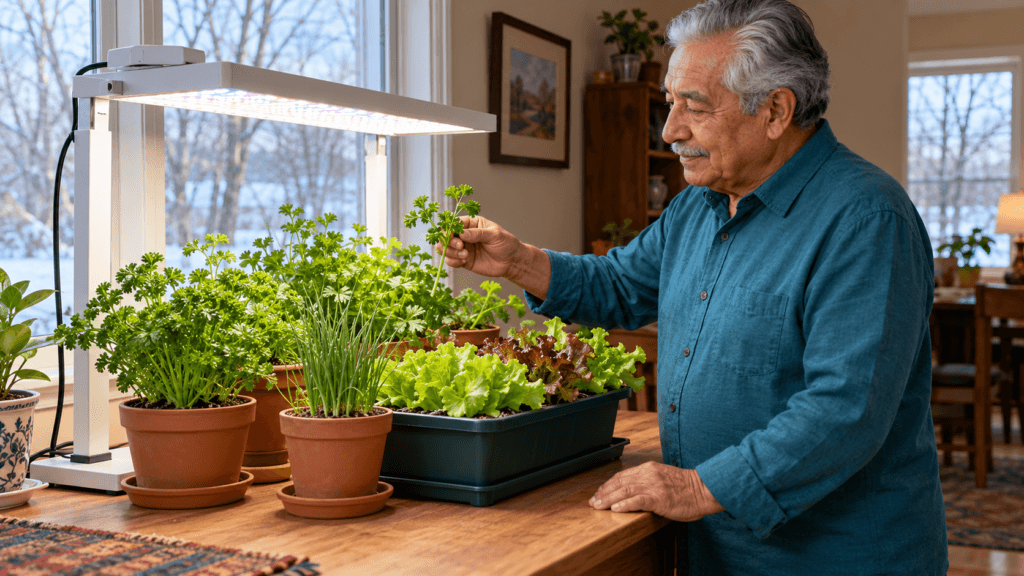
Choose one herb you use often, such as parsley or chives, or a small container of leaf lettuce. Start with a modest goal: a few fresh leaves for meals. Fruiting crops such as tomatoes usually need a more demanding indoor setup than a small leafy crop.
Light is often the main limit. A window that looks bright to us may not provide enough light for steady plant growth. A suitable grow light can help. Choose one sized for the growing area, and follow its instructions for distance from the plants.
Use a timer and a crop-appropriate lighting schedule, allowing a daily dark period. Watch for weak, stretched growth that may indicate inadequate light. University of Minnesota Extension’s indoor lighting guide explains how to match plants and lighting conditions.
Use clean containers with drainage holes and potting mix intended for containers. Keep a waterproof tray underneath and remove excess drainage water. Check moisture before watering; indoor plants may use water differently from outdoor plants. Minnesota Extension’s herb guide includes indoor growing advice.
Put the setup where you can tend it sitting or standing comfortably. Keep electrical connections away from water and cords out of walkways. Choose small containers you can handle, and avoid putting heavy pots on narrow ledges. One successful pot is enough to begin.
Tip 9: Plan the Quiet Weeks, Too
Leave room in your calendar for a medical appointment, a visit from family, or a week when gardening feels like too much. Avoid scheduling several demanding jobs together simply because the weather looks favorable.
Make a short backup note for anyone who may help. List which plants need checking, where the water supply is, and how a cover opens. Show the helper the routine before you need them. A clear, small garden is easier to explain than a complicated collection of pots and coverings.
Choose a stopping point before each session. You might water two containers or harvest one patch, then assess how you feel. Preparing tools one day and planting the next still moves the garden forward.
Keep a few simple records: what you planted, when you harvested, and what took too much effort. Those notes are more useful than judging success by how busy the garden looks. Simplify the next season wherever the work repeatedly becomes a burden.
Tip 10: Build Your First Year around Four Small Goals
Pick one goal for each part of your growing year:
- During a cool growing window: Try one short row of a vegetable you enjoy.
- During a suitable warm window: Care for one manageable crop.
- At the next transition: Decide whether there is time for another planting.
- During the quiet period: Choose one indoor crop or plan the next season.
Write down the supplies each goal needs before buying anything. Reuse suitable containers, supports, and tools you already own. Add equipment only when it solves a problem you have actually encountered. There is no requirement to buy a greenhouse, a large lighting system, or a complete new set of tools.
Review the year by asking what you ate, what you enjoyed, and what you would gladly do again. A useful harvest can supplement meals and build practical skills, but a few herbs or salad greens will not replace an emergency food supply. Give the garden a realistic role in your preparedness plan.
For more ways to match the work to your abilities, visit the Smart Gardening for Seniors hub. Let each season teach you one thing, then use that lesson to make the next one easier.
🌿 Trusted Gardening Resources
Enjoying your garden is easier when you have the right tools. These trusted gardening products can help reduce strain on your shoulders, protect your joints, and make everyday gardening tasks safer and more comfortable.
Whether you’re dealing with arthritis, recovering from surgery, or simply looking for easier ways to garden, these are products worth considering.
My Favorite Tools for Easier, Safer Gardening
The right tools can make everyday gardening more comfortable. These senior-friendly gardening tools, raised planters, and accessories can help reduce bending, lifting, gripping, and reaching. I own several of them myself. Choose what fits your needs and the work you actually do.
-
 $14.43Buy Now
With Ultra Sharp Japanese Steel Titanium Blade, Arthritis Friendly
We earn a commission if you make a purchase, at no additional cost to you.
09/27/2026 09:39 pm GMT -
 Buy Now
LifeFone Medical Alert System
Be prepared for any injury, disaster, health problem.
We earn a commission if you make a purchase, at no additional cost to you.
-
 $109.99Buy Now
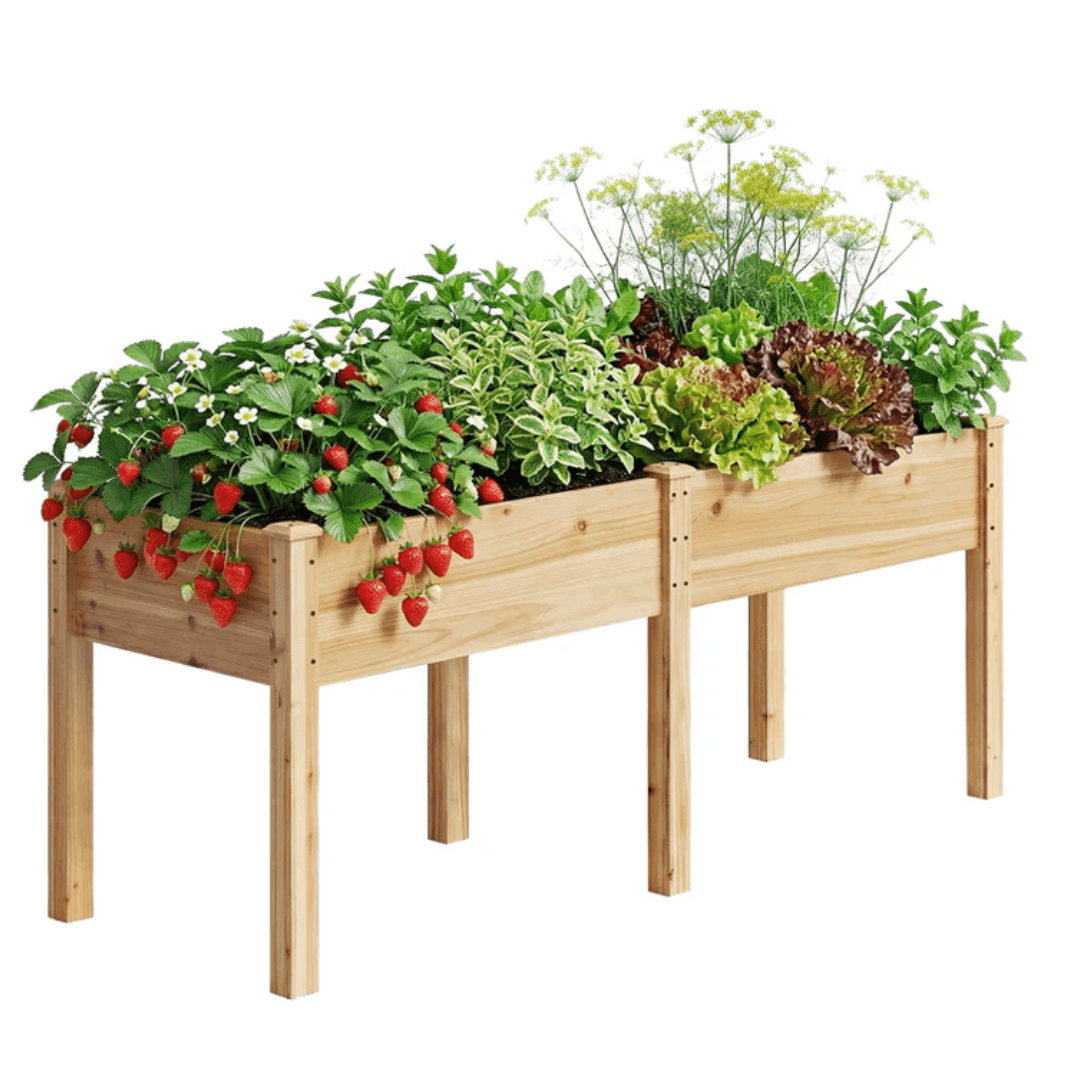
72" x 26 X 30" Wooden Raised Garden Bed with Legs, Elevated Reinforced Planter Box with Divider Panel & Drainage Holes, Natural Fir Wood Garden Planter for Vegetables, Herbs, Flowers, Patio, Balcony & Backyard
We earn a commission if you make a purchase, at no additional cost to you.
-
 $157.99Buy Now
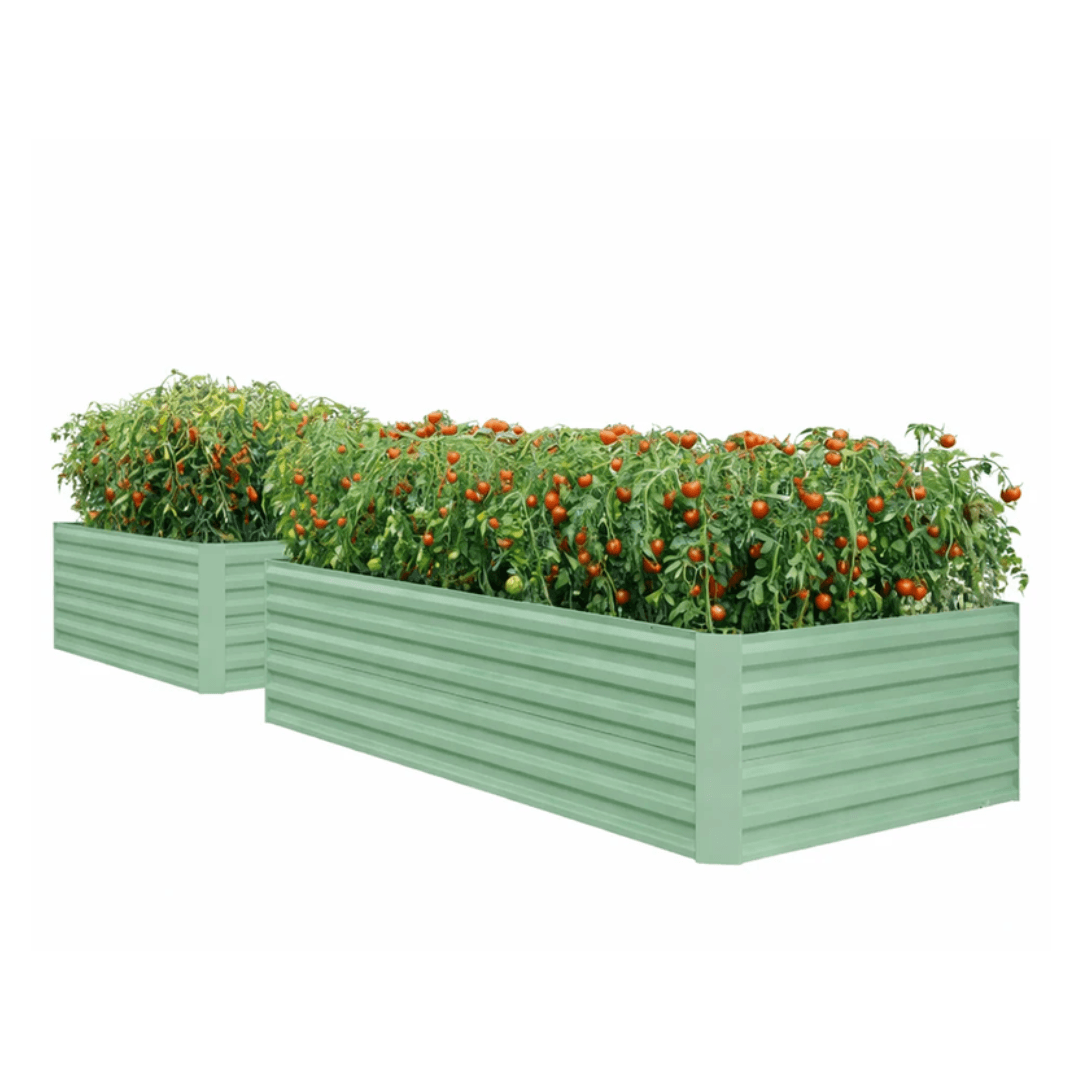
24-Inch Deep Open-Bottom Planter Boxes for Vegetables, Herbs & Flowers
We earn a commission if you make a purchase, at no additional cost to you.
-
 $89.99Buy Now
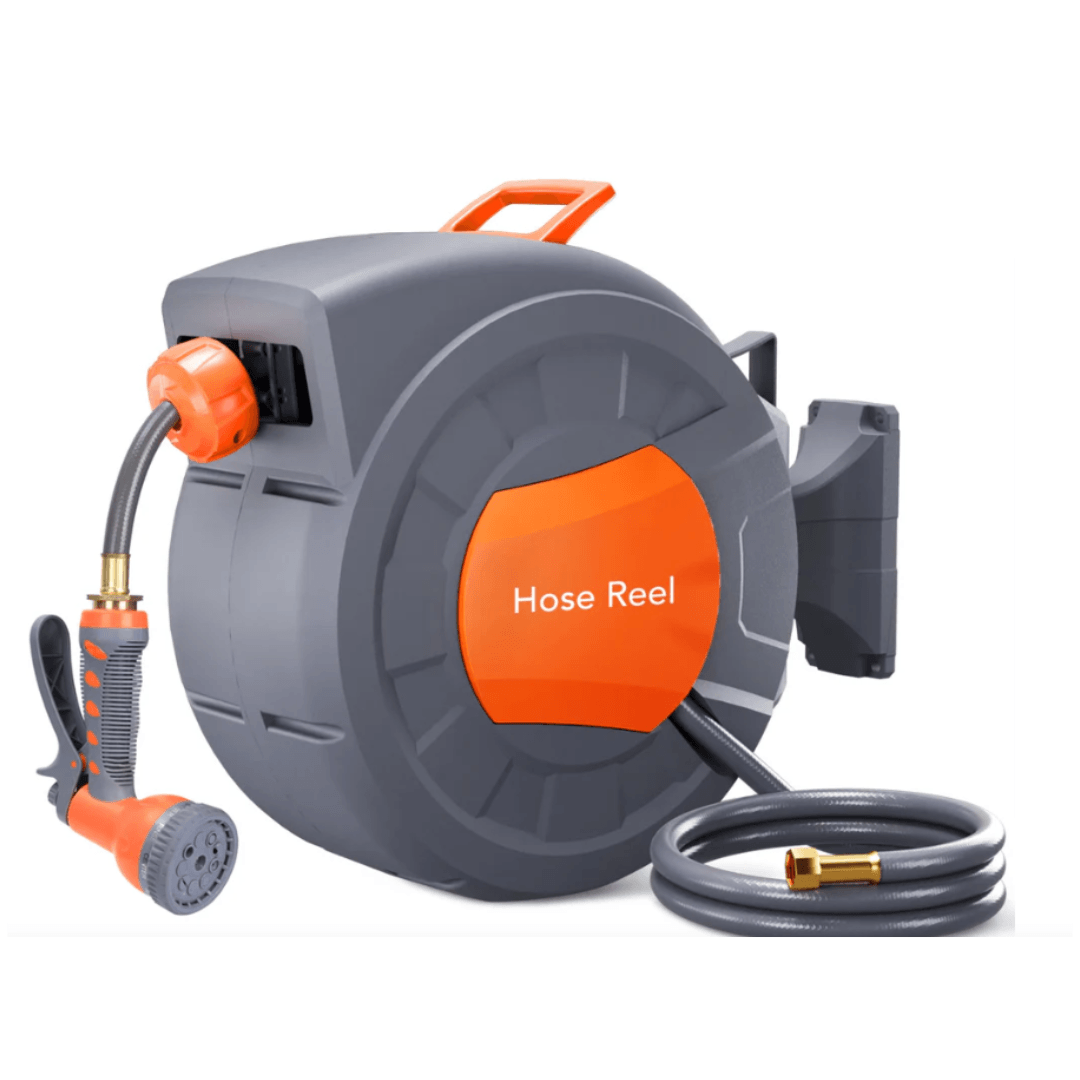
Garvee 1/2 in × 100 ft Retractable Garden Hose Reel, Wall Mount Auto Rewind, 9-Pattern Nozzle
We earn a commission if you make a purchase, at no additional cost to you.
-
 Buy Now
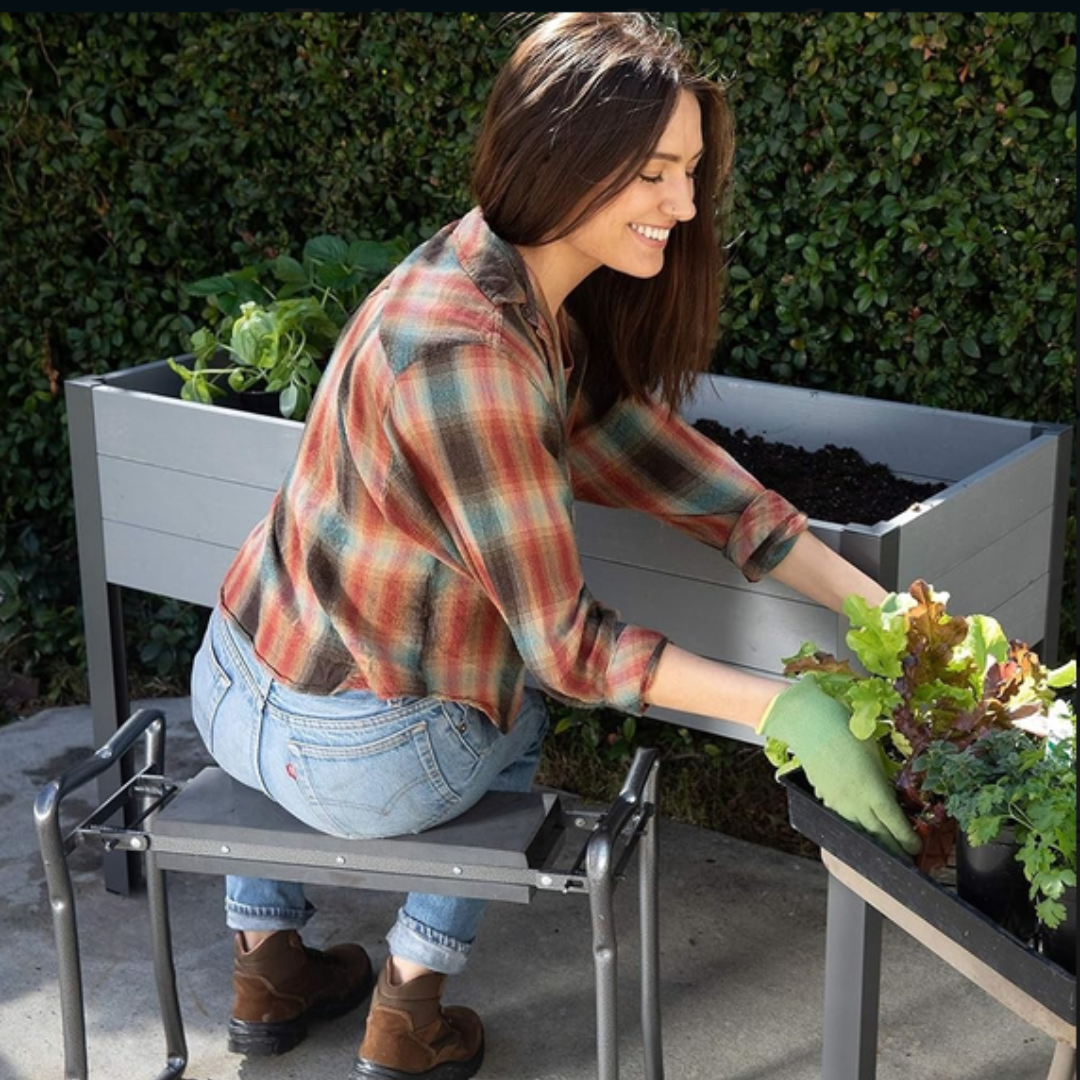
Converts from a comfortable bench for sitting to a cushioned kneeler by simply flipping it over.
We earn a commission if you make a purchase, at no additional cost to you.
-
 $16.99Buy Now
Beach Hiking Summer Wide Brim UPF 50+ Outdoor Protection Foldable Bucket Hat Beige, One Size
I own 2 of these! I even wear it in the pool.
We earn a commission if you make a purchase, at no additional cost to you.
09/27/2026 09:58 pm GMT -
 $38.99Buy Now
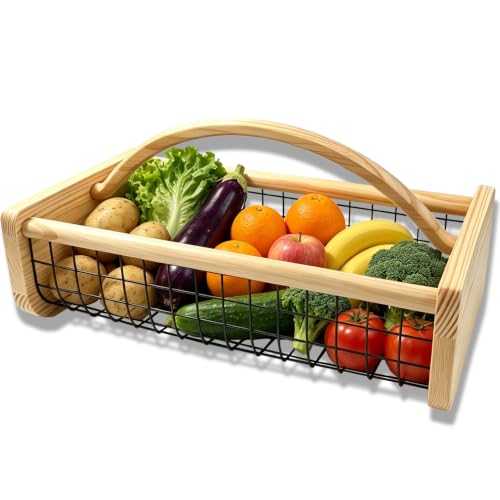
With Bent Solid Handle and Coated Mesh, Rinse & Deain Fresh Produce Easily for Kitchen and Outdoor Pick...
We earn a commission if you make a purchase, at no additional cost to you.
09/10/2026 12:11 am GMT -
 $6.99Buy Now
Super-sharp. Orange 1-Pack
I own 2 of these, 'cuz I use them everywhere!
We earn a commission if you make a purchase, at no additional cost to you.
09/27/2026 10:00 pm GMT -
 $57.94Buy Now
Heavy-Duty Tree Trimmer for Thick, Dry, Dead Branches, Ratchet Design Compounds Force for Easy Use, Low-Friction Steel Blades
We earn a commission if you make a purchase, at no additional cost to you.
09/27/2026 10:01 pm GMT -
 $28.99Buy Now
I LOVE THIS!: Fiskars 15-Inch Anvil PowerGear Super Pruner glides through branches up to 1.25" thick for easy cuts on dry, dead growth; trim tree branches to maintain your yard and garden and maintain overall plant health and appearance.
This is so light to carry around while you work.
We earn a commission if you make a purchase, at no additional cost to you.
09/27/2026 10:03 pm GMT -
 $14.80Buy Now
I OWN 2 PAIR OF THESE! Hand Protection with Touch Screen for Gardeners, Farmers, Landscapers and Movers
We earn a commission if you make a purchase, at no additional cost to you.
09/27/2026 10:04 pm GMT -
 $109.90Buy Now
400lbs Weight Capacity, Gardening Cart Bench, Ergonomic Backrest & Tool Storage, for Yard, Patio
We earn a commission if you make a purchase, at no additional cost to you.
09/27/2026 10:05 pm GMT -
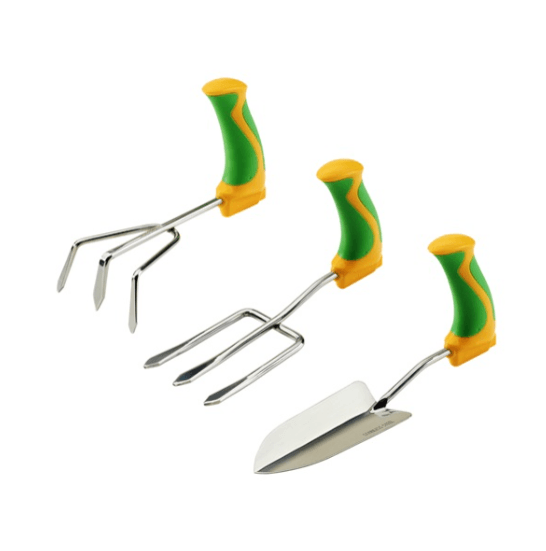 $59.95Buy Now
Upright handle, ergonomic hand tools set
Set of 3 adapted gardening tools with patented handle design.
We earn a commission if you make a purchase, at no additional cost to you.
-
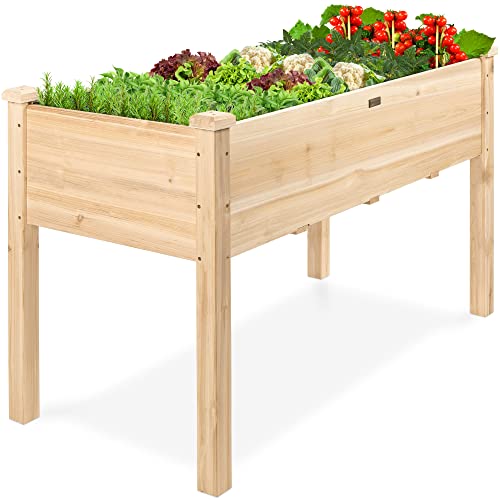 $99.99Buy Now
for Backyard, Patio, Balcony with Bed Liner, 200 Pound Capacity - Natural
We earn a commission if you make a purchase, at no additional cost to you.
09/27/2026 09:52 pm GMT

Why This Matters
Growing a little food through more of the year gives us practice choosing crops, watching weather, and caring for what we plant. Those skills remain useful even when a season brings a small harvest or a change of plans.
For older gardeners, the best plan is one we can keep enjoying. That may mean fewer plants, shorter sessions, or an outdoor break during the hardest weather. Four-season gardening should give you more ways to stay involved without asking more of your body than it can comfortably give.
🌱Continue the Smart Gardening Series
Every gardener faces different challenges. These practical guides can help you reduce pain, conserve energy, and grow more with less work.
Popular Guides
🌱 Raised Bed Gardening for Seniors
🌼 Planning a Low-Maintenance Garden
🧰 Best Ergonomic Gardening Tools for Seniors
🪶 Choosing Lightweight Garden Equipment
🛒 Garden Carts, Kneelers, and Rolling Seats
🥕 Best Vegetables to Grow for Survival
👉 See Every Smart Gardening for Seniors Article
Discover practical gardening tips that make growing vegetables, herbs, and flowers easier, safer, and more enjoyable for older adults.
FAQs
Can seniors garden through all four seasons without a greenhouse?
Yes. Combine season-appropriate outdoor growing with a small indoor crop, planning, or a winter break. A greenhouse is optional and brings its own maintenance needs.
What can I grow outdoors in winter?
That depends on your climate, variety, planting date, and protection. Some hardy greens can be suitable, but prolonged cold and short days limit growth. Ask your local extension service which crops are realistic for your area.
Will a frost cover keep every vegetable alive?
No. Covers provide limited protection. The result depends on the material, conditions, and crop. Tender plants may still die during a hard or prolonged freeze, so harvest ahead of severe cold when possible.
What is a simple indoor crop to try first?
Try a small pot of an herb you use regularly or a container of leaf lettuce. Provide suitable light and drainage. Begin with one crop so you can judge the care involved before adding more.
Does four-season gardening mean harvesting every month?
No. It means adjusting your gardening activities through the year. Some climates allow frequent outdoor harvests, while others call for indoor growing or a seasonal rest. Your schedule should fit your conditions and abilities.
Which season is hardest for you to garden in: summer heat, winter cold, or the busy weeks in between? In the comments section below, share your general growing region and one small change you would like to try. Your experience may help another gardener find a more comfortable way to keep growing.